When Depression Affects Your Appetite, Body, and Self-Trust
What Nobody Tells You About Recovering from Depression While Healing Your Relationship with Food
A Glow & Flow Holistics Resource
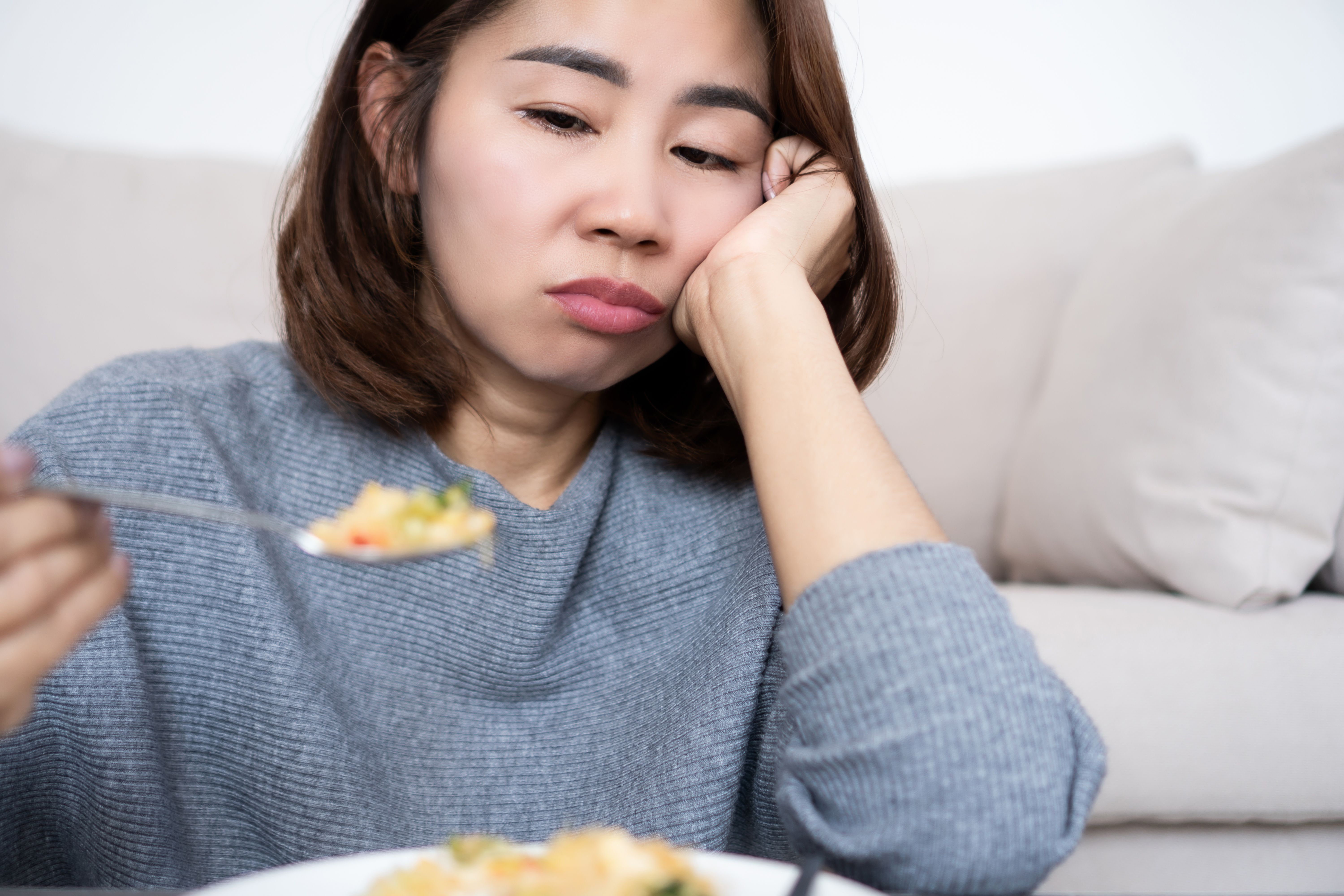
Introduction: The Intersection No One Talks About
Here's what they don't tell you:
Healing your relationship with food is hard enough on its own.
Recovering from depression is hard enough on its own.
Trying to do both at the same time? That's a whole different level of complex.
If you're trying to learn intuitive eating while your brain can barely produce dopamine...
If you're working on food freedom while depression makes every meal feel impossible...
If you're dismantling diet culture while fighting to get out of bed...
You're not doing it wrong. You're doing something incredibly difficult.
Most resources about food freedom assume you have the mental and emotional capacity to engage with the work. They assume you can tune into hunger cues, honor your cravings, practice mindful eating, and challenge food rules.
But what if depression has silenced your hunger cues entirely?
What if you don't have the energy for "gentle nutrition"?
What if your depression medication changed your appetite and body?
What if food freedom work triggers your depression, or your depression sabotages your food healing?
This is the intersection nobody talks about.
This post is for everyone trying to navigate the complicated, messy overlap between mental health recovery and healing your relationship with food.
It's not going to be neat. It's not going to have easy answers.
But you deserve to know you're not alone in this struggle—and you deserve strategies that account for the reality of depression.
Let's talk about what nobody tells you.
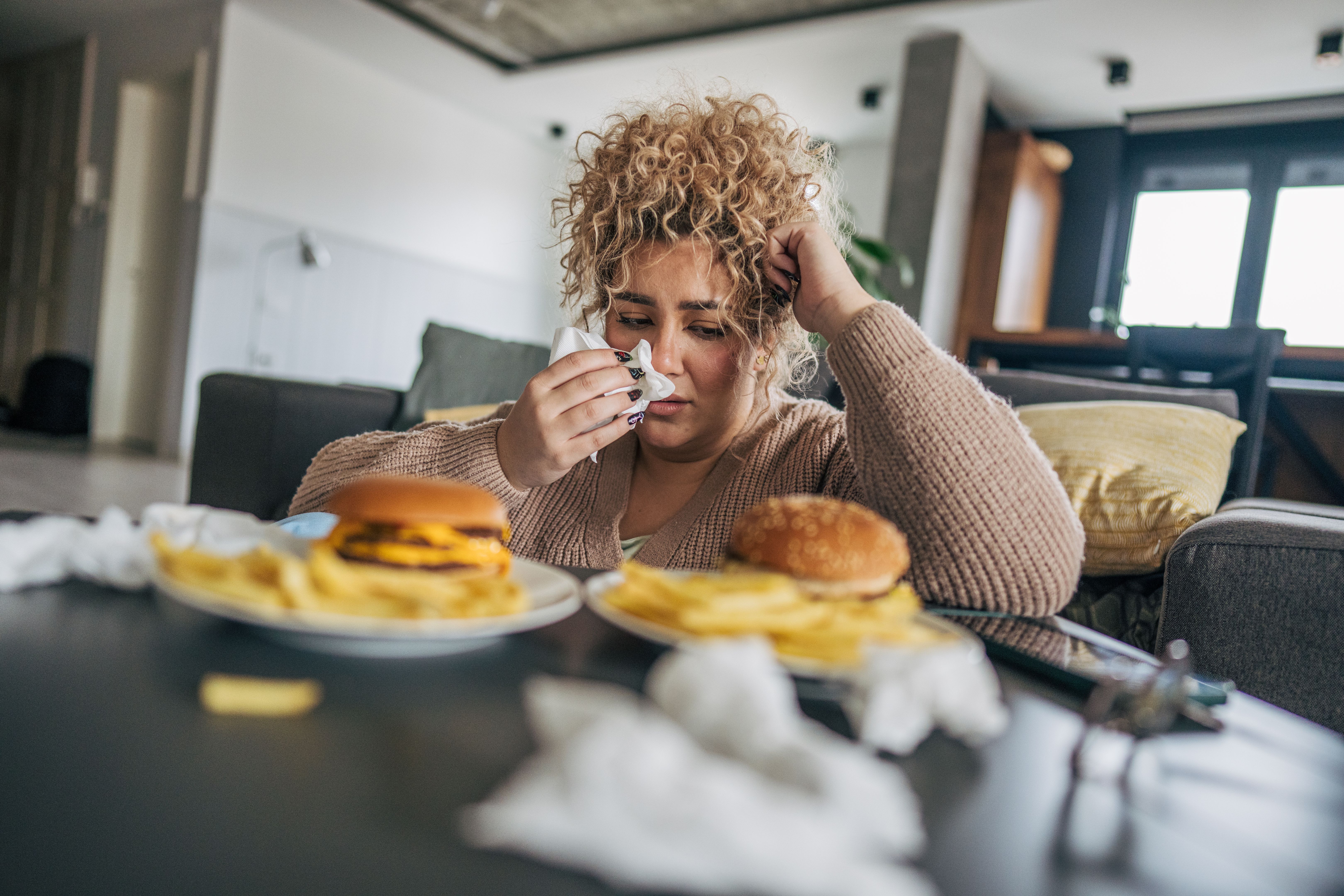
The Chicken-and-Egg Problem: Which Comes First?
One of the first challenges at this intersection is figuring out where to start.
The Questions You're Probably Asking:
"Should I focus on my depression first, then work on food?"
"Or should I heal my relationship with food, which might help my depression?"
"Can I even do both at the same time?"
"Am I making my depression worse by thinking about food so much?"
"Am I making my food issues worse by being depressed?"
The Frustrating Truth:
They're interconnected. You can't fully separate them.
Depression affects your relationship with food:
- It changes your appetite (increasing or decreasing it)
- It impacts your ability to tune into body signals
- It makes meal planning and preparation overwhelming
- It distorts your thoughts about food and your body
- It depletes the energy needed for food freedom work
Your relationship with food affects your depression:
- Chronic dieting and restriction worsen mood
- Malnutrition impairs brain function
- Food shame and guilt deepen depressive thoughts
- Binge-restrict cycles dysregulate neurotransmitters
- Body hatred feeds depression's narrative that you're not good enough
They feed each other. Which means you have to address both—but gently and with realistic expectations.
The Approach That Actually Works:
You don't have to choose. You address both simultaneously, but with adjusted expectations.
This doesn't mean doing "full intuitive eating" and "full depression treatment" at the same time at 100% intensity.
It means:
- Treating the depression (medication, therapy, support) as foundational
- Working on food healing in ways that account for depression's limitations
- Recognizing that progress in one area supports progress in the other
- Being realistic about what you can handle right now
- Permitting yourself to move slowly
You're not behind. You're navigating a complex intersection that requires a different map.

What Depression Does to "Intuitive Eating"
Intuitive eating is a powerful framework for food freedom. But it was developed with the assumption that your internal cues are accessible and reliable.
Depression breaks that assumption.
How Depression Disrupts the Intuitive Eating Principles:
Principle 1: Reject the Diet Mentality
What intuitive eating says: Let go of dieting. Stop pursuing weight loss.
What depression does: Makes you not care about anything, including your body. Or conversely, it makes body hatred so intense that rejecting diet culture feels impossible when you hate yourself.
The complication: Sometimes depression makes you apathetic about food and body (which looks like "not dieting" but isn't freedom). Other times, depression makes you cling to diet culture as the one thing you feel you can control.
Principle 2: Honor Your Hunger
What intuitive eating says: Eat when you're hungry. Trust your body's signals.
What depression does: Completely scrambles or silences hunger cues. You either don't feel hunger at all, or you can't distinguish it from other sensations.
The complication: You're supposed to "honor hunger" but your body isn't sending reliable signals. What then?
Principle 3: Make Peace with Food
What intuitive eating says: Give yourself unconditional permission to eat all foods.
What depression does: Makes all food feel equally pointless (appetite loss) or makes food the only source of dopamine (depression eating).
The complication: "Permission" requires energy and decision-making capacity you might not have. Depression makes food either too important or not important enough—rarely balanced.
Principle 4: Challenge the Food Police
What intuitive eating says: Reject the critical inner voice about food.
What depression does: Amplifies ALL critical inner voices. The food police are just one voice in a chorus of self-hatred.
The complication: Challenging food thoughts requires cognitive skills that depression impairs. Your brain is already telling you you're worthless—food rules are just another layer.
Principle 5: Discover the Satisfaction Factor
What intuitive eating says: Find pleasure in eating. Choose satisfying foods.
What depression does: Steals pleasure from everything, including food. Nothing tastes good. Nothing is satisfying.
The complication: How do you find satisfaction when your brain can't produce the neurochemicals needed for pleasure?
Principle 6: Feel Your Fullness
What intuitive eating says: Tune into fullness cues and stop when satisfied.
What depression does: Disrupts all interoceptive awareness (ability to feel internal body signals). You might not feel fullness either.
The complication: Fullness cues are as broken as hunger cues. You're supposed to feel your body, but depression has disconnected you from it.
Principle 7: Cope with Emotions Without Using Food
What intuitive eating says: Build coping skills beyond food.
What depression does: Makes every other coping skill feel impossible or ineffective. Food might be the only thing that still works.
The complication: This principle assumes you have the capacity to build and use alternative coping skills. Depression makes that incredibly hard.
Principle 8: Respect Your Body
What intuitive eating says: Accept your body as it is. Treat it with dignity.
What depression does: Makes you hate everything about yourself, including your body. Self-respect feels impossible.
The complication: Body respect requires baseline self-worth. Depression actively destroys self-worth.
Principle 9: Movement—Feel the Difference
What intuitive eating says: Move your body in ways that feel good.
What depression does: Makes movement feel impossible. Getting out of bed is the achievement—joyful movement is laughable.
The complication: This principle assumes you have energy and can access joy from movement. Depression takes both.
Principle 10: Honor Your Health—Gentle Nutrition
What intuitive eating says: Make food choices that honor your health and taste buds.
What depression does: Makes "gentle nutrition" feel like just another set of rules. Decision fatigue makes choosing anything overwhelming.
The complication: You're barely eating—worrying about nutrition feels like too much.
The Reality:
Intuitive eating in its traditional form doesn't fully account for depression.
This doesn't mean you can't heal your relationship with food while depressed. It means you need a modified approach.

What Food Freedom Work Does to Depression
Here's the other side: healing your relationship with food can trigger or worsen depression in specific ways.
How Food Freedom Work Can Complicate Depression:
Weight Gain Triggers Depressive Episodes:
When you stop restricting, your body might gain weight—especially if you've been chronically dieting.
What happens:
- Body changes trigger intense distress
- Depression worsens with body image struggles
- Societal fatphobia compounds the pain
- You feel like you're "failing" even though you're healing
The complication: The healing process itself (weight restoration) can worsen the mental health issue you're trying to address.
Losing the "Control" of Dieting:
For some people, dieting provides an illusion of control when everything else feels chaotic.
What happens:
- Letting go of diet rules feels terrifying
- You lose a coping mechanism (even though it was harmful)
- The structure dieting provided is gone
- You feel unmoored and directionless
The complication: Food freedom can feel like freefall when depression has already taken your sense of control.
The Grief of Lost Time:
As you heal your relationship with food, you might realize how much of your life was consumed by diet culture.
What happens:
- You grieve the years lost to dieting
- You feel anger about the harm done to you
- You mourn who you might have been without diet culture
- This grief can deepen depression
The complication: Healing brings awareness, and awareness brings pain before it brings peace.
Confronting Deeper Issues:
Food and dieting often mask underlying pain. When you stop using food/restriction as a coping mechanism, the underlying issues surface.
What happens:
- The trauma, abuse, or neglect you were avoiding becomes visible
- Difficult emotions you were numbing rise to the surface
- You realize food wasn't really the problem—it was protecting you from the real problem
- Depression intensifies as you face what you were avoiding
The complication: Food freedom unmasks the depression that was there all along.
Social Isolation:
Rejecting diet culture can feel lonely when everyone around you is still dieting.
What happens:
- Friends don't understand your journey
- Family comments on your body
- Social media is full of diet culture
- You feel alone in your healing
The complication: Isolation worsens depression, but food freedom can be isolating.
The Pressure to "Do It Right":
Even food freedom can become another set of rules if you're not careful.
What happens:
- You feel like you're "failing" at intuitive eating
- You shame yourself for not being "free" enough
- You compare your progress to others
- Perfectionism creeps into food freedom work
The complication: Another thing to fail at. Another way to hate yourself.
The Reality:
Food freedom work can be triggering when you're depressed. And that's important to know going in.

The Medication Question Nobody Answers Honestly
Let's talk about something most food freedom resources avoid: psychiatric medication.
The Uncomfortable Truth:
Many antidepressants affect appetite and weight. This creates a unique challenge for food freedom work.
Common medication effects:
SSRIs (Prozac, Zoloft, Lexapro, etc.): Can increase or decrease appetite, but more often cause weight gain
SNRIs (Effexor, Cymbalta): Similar effects to SSRIs
Mirtazapine (Remeron): Strongly increases appetite and weight
Wellbutrin: Can decrease appetite, sometimes used specifically for this effect
Atypical antipsychotics: Often cause significant weight gain and increased appetite
The Dilemma:
You're trying to heal your relationship with food and body. You're learning to trust your hunger cues and reject diet culture.
Then medication changes everything.
Suddenly, you're hungrier than ever. Or you lose your appetite completely. Or you gain 20, 30, 50 pounds despite eating "normally."
The Questions This Raises:
"Are my hunger cues real, or is it the medication?"
"Should I trust my body if my body is being influenced by drugs?"
"Am I allowed to be upset about weight gain from medication?"
"Do I go off my medication to lose weight?" (Please don't.)
"How do I practice body acceptance when medication changed my body against my will?"
The Honest Answers:
Your hunger cues are still valid, even if influenced by medication.
Medication doesn't make hunger "fake." If you're hungry, you're hungry—whether that's organic or medication-induced. Your body still needs food.
You can be upset about medication-related body changes AND still work on body acceptance.
These aren't mutually exclusive. You're allowed to grieve your pre-medication body while simultaneously working toward acceptance of your current body.
Do not go off psychiatric medication without medical supervision.
Weight concerns are valid, but being alive and mentally stable is more important.
Discuss medication options with your doctor if the side effects become unbearable.
Medication-induced changes make food freedom harder—and that's okay to acknowledge.
You're not failing. You're dealing with an additional complication that most food freedom resources don't address.
What Helps:
Reframe medication side effects as medical symptoms, not personal failures:
- "My medication increases my appetite" (medical fact)
- NOT "I have no self-control" (shame)
Work with providers who understand both depression and eating issues:
- A psychiatrist who takes weight concerns seriously
- A therapist who understands food freedom AND mental health
- A dietitian who works with psychiatric medication side effects
Adjust food freedom work to account for medication:
- Your hunger cues might be different—and that's okay
- Your body might change—that doesn't invalidate your healing
- You might need more support navigating medication effects
Focus on function over form:
- Is the medication helping your depression?
- Are you able to function better?
- Is the tradeoff worth it for your quality of life?
These questions matter more than weight.

Modified Food Freedom: What Actually Works When You're Depressed
Since traditional intuitive eating doesn't fully account for depression, here's a modified approach.
Principle 1: Start with Survival, Not Freedom
Traditional approach: Unconditional permission to eat all foods.
Depression-modified approach: Permission to eat anything you can actually eat.
When depression is active, the goal isn't food freedom—it's survival.
Questions to ask:
- Can I eat this without overwhelming nausea?
- Does this require energy I don't have to prepare?
- Will I feel worse if I don't eat anything?
Permission granted for:
Eating the same thing every day
- "Unhealthy" foods if they're all you can manage
- Liquid calories when solid food is impossible
- Whatever keeps you alive right now
Food freedom can wait. Survival comes first.
Principle 2: External Structure Replaces Internal Cues
Traditional approach: Trust your hunger and fullness signals.
Depression-modified approach: Eat by the clock when internal signals are broken.
When depression has silenced your hunger cues, external structure keeps you nourished.
Strategies:
- Set alarms for eating times
- Have predetermined "eating windows"
- Use meal delivery services that decide for you
- Ask someone else to remind you to eat
This isn't "disordered." This is medical necessity.
Principle 3: Lower the Bar for "Good Enough"
Traditional approach: Choose foods that satisfy you and honor gentle nutrition.
Depression-modified approach: Anything you consume counts as success.
Depression makes "optimal nutrition" impossible. Redefine success.
Good enough eating when depressed:
- Protein shake instead of a meal
- Handful of crackers instead of balanced nutrition
- Toast with butter instead of varied vegetables
- Coffee with calories instead of skipping breakfast entirely
The bar is: Did you consume any calories? Then you succeeded.
Principle 4: Separate Food Healing from Body Image Work
Traditional approach: Work on both simultaneously.
Depression-modified approach: Focus on feeding yourself; body image work comes later.
When you're depressed, you hate everything about yourself... not just your body.
Strategy:
- Put body image work on pause if it's too triggering
- Focus only on getting nourishment
- Wear comfortable clothes and don't look in mirrors if that helps
- Revisit body acceptance when mental health improves
You can't respect a body you're neglecting. Feed yourself first.
Principle 5: Use Food as a Coping Tool (Yes, Really)
Traditional approach: Build coping skills beyond food.
Depression-modified approach: Use food as one coping tool while slowly building others.
When depression makes every other coping skill inaccessible, food might be what works.
Permission to:
- Eat for comfort when that's all you have
- Use food as emotional regulation in a crisis
- Not feel guilty about emotional eating during a depressive episode
The goal isn't to eliminate emotional eating in its entirety. It's to have multiple tools—and that takes time.
Principle 6: Accept That Progress Isn't Linear
Traditional approach: Consistent progress toward food freedom.
Depression-modified approach: Two steps forward, three steps back, one sideways—it's all progress.
Depression flares. Food healing regresses. That's normal.
What this looks like:
- Good weeks when you eat intuitively
- Bad weeks where you can barely eat at all
- Months where everything feels impossible
- Moments of clarity followed by darkness
This isn't failure. This is the reality of healing two things at once.
Principle 7: Let Medication Change the Game
Traditional approach: Pure intuitive eating based on your body's signals.
Depression-modified approach: Trust your medicated body's signals.
If medication changes your appetite, that's your new baseline.
Strategy:
- Honor increased hunger from medication
- Use structure if medication kills appetite
- Accept that your body might change
- Focus on stability, not pre-medication "normal"
Your medicated body is your real body. Trust it.
Principle 8: Get Support That Understands Both Issues
Traditional approach: Work with an intuitive eating dietitian.
Depression-modified approach: Work with a dietitian and a therapist who understand the intersection.
You need providers who get that this is complicated.
Look for:
- A dietitian who works with mental health clients
- A therapist who understands eating issues AND depression
- A psychiatrist who takes eating concerns seriously
- Support groups for both depression and food healing
You can't do this alone. And you shouldn't have to.

The Timeline Nobody Tells You About
How long does it take to recover from depression while healing your relationship with food?
The answer nobody wants to hear: Longer than either one alone.
Realistic Timeline Expectations:
Months 1-6: Crisis Management
- Just trying to stay alive and fed
- Establishing medication/therapy
- Basic survival eating
- Minimal food freedom work
Months 6-12: Stabilization
- Depression symptoms start improving (maybe)
- Eating becomes slightly less effortful
- Beginning to challenge some food rules
- Still lots of hard days
Years 1-2: Active Healing
- Depression more managed (not cured)
- Starting real food freedom work
- Body changes might be happening
- Grief and triggers surface
Years 2-3: Integration
- Food freedom feeling more natural
- Depression symptoms less frequent
- Still occasional setbacks
- Starting to feel like yourself
Years 3+: Maintenance
- Managing both issues as they arise
- Food freedom mostly intuitive
- Depression managed with tools/medication
- Living life, not just surviving
Important Notes:
This timeline is a ROUGH estimate. Your journey might be faster or slower. It's personal.
"Recovery" doesn't mean perfect.
- You might always need medication
- You might always have depression flares
- Food might always be complicated sometimes
That's okay
Progress isn't linear.
- You'll have good months and terrible months
- You'll regress and that's normal
- Healing is messy
The timeline is less important than the direction.
- Are you slightly better than last year?
- Are you learning what helps you?
- Are you surviving?
That's progress.

What You Need That Traditional Resources Don't Mention
You Need Permission to Move Slowly
Food freedom culture often pushes fast transformation. "Heal your relationship with food in 90 days!" "Become an intuitive eater this year!"
When you're depressed, you need to move at depression speed.
That might mean:
- Working on one food rule per month instead of all at once
- Taking a year to challenge one fear food
- Regressing for months during a depressive episode
- Pausing food healing work entirely when depression is acute
You're not behind. You're going the speed your body and brain can handle.
You Need Permission to Prioritize Mental Health
- If your therapist says "focus on depression right now, not food," listen.
- If your psychiatrist says "let's stabilize your mood before addressing body image," listen.
- If your body says "I just need to survive today," listen.
Food freedom can wait. Mental health crisis cannot.
You Need Permission to Use "Crutches"
Meal delivery services. Pre-made food. Same meals daily. Liquid calories. External structure. Medication.
These aren't crutches—they're accessibility tools.
When your brain can't do something, you find a tool that can. That's not cheating.
That's surviving.
You Need Permission to Be Angry
You're dealing with two incredibly difficult things at once.
You're allowed to be angry that:
- You have to deal with both
- Diet culture made it worse
- Mental health stigma makes it harder
- Your body doesn't work like other people's
- Recovery is taking so long
- Nobody prepared you for this
Your anger is valid.
You Need Permission to Ask for Help
You can't do this alone.
You need:
- Therapist
- Psychiatrist or prescriber
- A dietitian who understands both issues
- Support system that gets it
- Online communities that relate
- Medical professionals who take you seriously
Asking for help isn't a weakness. It's essential.
You Need Permission to Define Your Own Success
Success isn't:
- Perfect intuitive eating
- Depression cured
- Body at a certain size
- Never using food for comfort
- Doing it the "right" way
Success is:
- Still being alive
- Feeding yourself somehow
- Seeking help when needed
- Being slightly kinder to yourself
- Having one more tool than you did last year
- Getting back up when you fall
That's enough.

The Things That Actually Help (From Real Experience)
1. Treat Depression First, Food Second
You can't do meaningful food freedom work when your brain is in crisis.
Priority order:
- Medication that works (even if it affects appetite/weight)
- Therapy for depression
- Basic self-care (sleep, eating anything)
- THEN food freedom work
2. Find Providers Who Understand the Intersection
Red flags in providers:
- A therapist who dismisses food concerns as "vanity"
- A dietitian who doesn't understand depression
- A psychiatrist who prescribes weight loss
- Anyone who treats these as separate issues
Green flags:
- Understands both issues are medical
- Validates the complexity
- Adjusts treatment for your capacity
- Doesn't push you to do more than you can
3. Accept That Medication Might Be Necessary
And that's okay.
If medication helps your depression but changes your appetite or body, you're still doing the right thing.
Mental health > weight or appetite preferences
Always.
4. Build a Support System That Gets It
You need people who understand that:
- Some days, eating anything is an achievement
- Weight gain from medication is medical, not moral
- Depression makes food freedom harder
- Progress isn't linear
- You're doing your best
Find your people. Online communities, support groups, and understanding friends.
5. Lower All Your Expectations
Radical acceptance of "good enough":
- Good enough eating is whatever keeps you alive
- Good enough movement is getting out of bed
- Good enough self-care is brushing your teeth
- Good enough food freedom is trying
Perfect is not the goal. Survival is.
6. Track Patterns, Not Perfection
Keep notes on:
- Which foods are easiest when depressed
- What time of day you can eat
- Which coping skills actually work for you
- Medication effects on appetite
- Triggers for both depression and food issues
Use this information to make future depressive episodes easier.
7. Permit Yourself to Pause
Sometimes you need to:
- Stop active food freedom work during depression crisis
- Focus only on basic nutrition
- Use structure instead of intuition
- Return to survival mode
This isn't regression. This is smart self-preservation.
8. Celebrate Tiny Wins
Depression brain won't let you feel proud, but celebrate anyway:
I ate something today or I did not overeat today
I took my medication
I went to therapy
I didn't restrict out of punishment
I asked for help
I'm still here
These are victories.

When It Feels Like You'll Never Get Better
Let me be honest with you:
Some days it will feel hopeless.
You'll feel like you're failing at both depression recovery AND food freedom.
You'll look at people who seem to heal easily and wonder what's wrong with you.
You'll be exhausted by how hard this is.
You'll want to give up.
When that happens, please remember:
You're Not Doing It Wrong
The intersection of depression and food healing is genuinely one of the most difficult things a person can navigate.
It's not you. It's the situation.
Progress Exists Even When You Can't See It
- You are different than you were last year, even if it doesn't feel like it.
- You know more
- You've tried more strategies
- You're still here
- You're reading this, which means you're still trying
That's progress.
Recovery Isn't Linear for Anyone
But it's especially non-linear when you're healing two interconnected issues.
You're allowed to:
- Have bad days... weeks... months
- Regress
- Feel like you're back at square one
- Take breaks from healing work
And still be moving forward overall.
You Don't Have to Do This Perfectly
There is no perfect way to recover from depression while healing food issues.
Any way that works is the right way.
You Deserve Compassion
From others, yes. But especially from yourself.
You're fighting two battles at once. That's brutal.
Be as kind to yourself as you would be to anyone else in your situation.
You're Not Alone
Millions of people are at this exact intersection.
You're not uniquely broken. You're not doing it wrong. You're not too much.
You're human, dealing with human struggles, doing the best you can.

Hope: What's Possible on the Other Side
I won't lie to you and say it gets easy.
But it does get easier.
What's possible when you keep going:
Food becomes less complicated. Not uncomplicated. But less all-consuming.
Depression becomes more manageable. Not gone. But less relentless.
You learn what works for YOUR body and brain. Not what works for other people.
What works for you.
You build a toolbox. For bad days. For flares. For crisis. For maintenance.
You develop self-compassion. Slowly. Imperfectly. But it comes.
You find your people. Others who get it. Who've been here. Who won't judge.
You discover you're stronger than you thought. Not because you're perfect. Because you survived.
Life becomes more than just managing symptoms. You get glimpses of joy. Of peace. Of freedom.
You realize you deserve nourishment and care. Even with depression. Even with a complicated food history.
You become someone who can help others. Your struggle becomes wisdom. Your pain becomes purpose.
The Most Important Thing:
You can heal from depression and develop food freedom—even if it takes longer, looks different, and requires more support than you expected.
It's possible.
You're possible.

Final Glow Notes: You Are Doing Something Incredibly Brave
Recovering from depression is hard.
Healing your relationship with food is hard.
Doing both at the same time? That's extraordinary.
You're navigating an intersection most people can't even imagine. You're dealing with brain chemistry, societal oppression, trauma, biological signals, and internalized shame... all at once.
And you're still here.
That's not nothing. That's everything.
Please remember:
You don't have to do this perfectly.
You don't have to do this quickly.
You don't have to do this alone.
You just have to keep going.
One meal at a time.
One day at a time.
One breath at a time.
You deserve to be fed.
You deserve to feel better.
You deserve compassion—especially from yourself.
And you will get there.
Maybe not today. Maybe not this year.
But you will.
Crisis Resources:
National Suicide Prevention Lifeline: 988
Crisis Text Line: Text HOME to 741741
SAMHSA National Helpline: 1-800-662-4357
National Eating Disorders Association (NEDA) Helpline: 1-800-931-2237
Finding Support:
Therapists who understand both: Psychology Today - Filter for "Eating Disorders" AND "Depression"
HAES Dietitians: HAES Community Resources
Certified Intuitive Eating Counselors: Intuitive Eating Pro Directory
Related Resources:
Podcast Episode: "Depression Eating: When Food Becomes Your Only Comfort"
Blog Post: "Depression Eating vs. Other Types of Emotional Eating"
Blog Post: "When Depression Kills Your Appetite"
Blog Post: "How to Build a Depression Care Package"
Glow through the complexity. Flow with compassion for yourself. And remember: you deserve healing—even when it's messy.
- Glow & Flow Holistics
Pin this post | Share with someone who needs it | Join the conversation