Understanding Depression Eating vs Other Types of Emotional Eating: A Complete, Compassionate Guide
Depression Eating vs. Other Types of Emotional Eating: A Complete Guide
A Glow & Flow Holistics Resource

Introduction: You're Not Broken, You're Human
If you've ever reached for food when you weren't physically hungry, you're in good company. Emotional eating is one of the most common human experiences and one of the most misunderstood.
Diet culture has taught us to see all emotional eating as a problem that needs to be "fixed." But what if I told you that eating in response to emotions is a completely normal human behavior that has served our species for thousands of years?
What if the real problem isn't that you eat emotionally but that you've been shamed for being human?
Here's the truth: Not all emotional eating is the same. And understanding the differences can help you respond to yourself with more compassion, clarity, and care.
This guide will walk you through the different types of emotional eating—including depression eating, anxiety eating, stress eating, and more—so you can identify your own patterns without judgment and figure out what you actually need.
Before we begin, let's get one thing clear: This isn't about labeling yourself as "broken" or diagnosing yourself with a disorder. This is about understanding yourself better so you can take care of yourself with kindness.
Take a breath. You're safe here. Let's dive in.

What Is Emotional Eating (And What It's NOT)
Emotional eating is eating in response to feelings rather than physical hunger.
That's it. That's the definition.
Notice what's NOT in that definition:
- "Bad"
- "Wrong"
- "Unhealthy"
- "Disordered"
- "Something to fix"
Eating for emotional reasons is a normal human coping mechanism. Food is comforting. Food is pleasurable. Food is connected to memory, culture, celebration, and soothing.
Emotional eating becomes a concern when:
- It's your only coping mechanism
- It's causing you significant distress
- It's interfering with your life or health
- You feel completely out of control around food
- It's paired with restriction, purging, or other harmful behaviors
But here's what's important: even if emotional eating is causing you distress, you are not the problem. The shame is.
Now let's break down the different types of emotional eating so you can understand what you're experiencing.

Depression Eating: When Food Is Your Only Comfort
What It Looks Like
Depression eating is what happens when depression has taken over your life, and food is one of the few things that still brings any relief.
Key characteristics:
- Slow and disconnected — eating without really tasting, just going through the motions
- Seeking dopamine — food is one of the few things that still triggers pleasure
- Low-energy choices — choosing foods that require zero preparation because cooking feels impossible
- Comforting numbness — eating to feel something, or eating to feel nothing
- The only accessible self-care — when everything else feels too hard, food is still there
What's Happening in Your Brain
When you're depressed, your brain's reward system is compromised. Dopamine—the "feel-good" neurotransmitter—is depleted. Nothing brings joy. Everything requires energy you don't have.
Except food.
Food still works. Food still gives you that tiny hit of dopamine. Food is easy. Food doesn't judge you. Food doesn't require motivation you can't muster.
Your brain isn't being "bad." It's trying to survive.
Common Thoughts During Depression Eating
- "This is the only thing that feels good today"
- "I don't have the energy to do anything else"
- "At least this is something"
- "I know I should want something healthier, but I just... can't"
- "Food doesn't require me to pretend I'm okay"
The Aftermath
Depression eating is often followed by intense shame, which deepens the depression, which drives more eating. This is the depression-shame-eating cycle, and it's vicious.
What you need: Compassion. Treatment for depression. Permission to eat what you can manage. Support, not shame.

Anxiety Eating: When You Eat to Calm the Chaos
What It Looks Like
Anxiety eating happens when your nervous system is in overdrive, and food becomes a way to regulate the overwhelm.
Key characteristics:
- Fast and urgent — eating quickly, sometimes barely chewing
- Seeking calm — using food to quiet the mental noise
- Crunchy or chewy foods — often gravitating toward textures that provide sensory input
- Mindless grazing — eating without awareness, hand-to-mouth repetition
The need to DO something — eating gives your anxious energy somewhere to go
What's Happening in Your Body
- Anxiety activates your sympathetic nervous system—your fight-or-flight response.
- Your body is flooded with stress hormones. Your thoughts are racing. You feel wired and overwhelmed.
- Food, especially carbohydrates, can temporarily calm your nervous system.
- Chewing provides sensory regulation. The act of eating gives your anxious energy a task.
You're not weak. You're trying to soothe a dysregulated nervous system.
Common Thoughts During Anxiety Eating
- "I need to calm down"
- "I can't stop my mind from racing"
- "This helps me feel less panicky"
- "I don't even know what I'm eating, I just need to DO something"
- "If I'm eating, I'm not thinking about everything that's wrong"
The Aftermath
You might feel temporary relief, followed by guilt or more anxiety about eating. The anxiety wasn't resolved—just briefly quieted.
What you need: Nervous system regulation tools (breathwork, movement, grounding techniques). Therapy for anxiety. Permission to use food as one tool while building others.
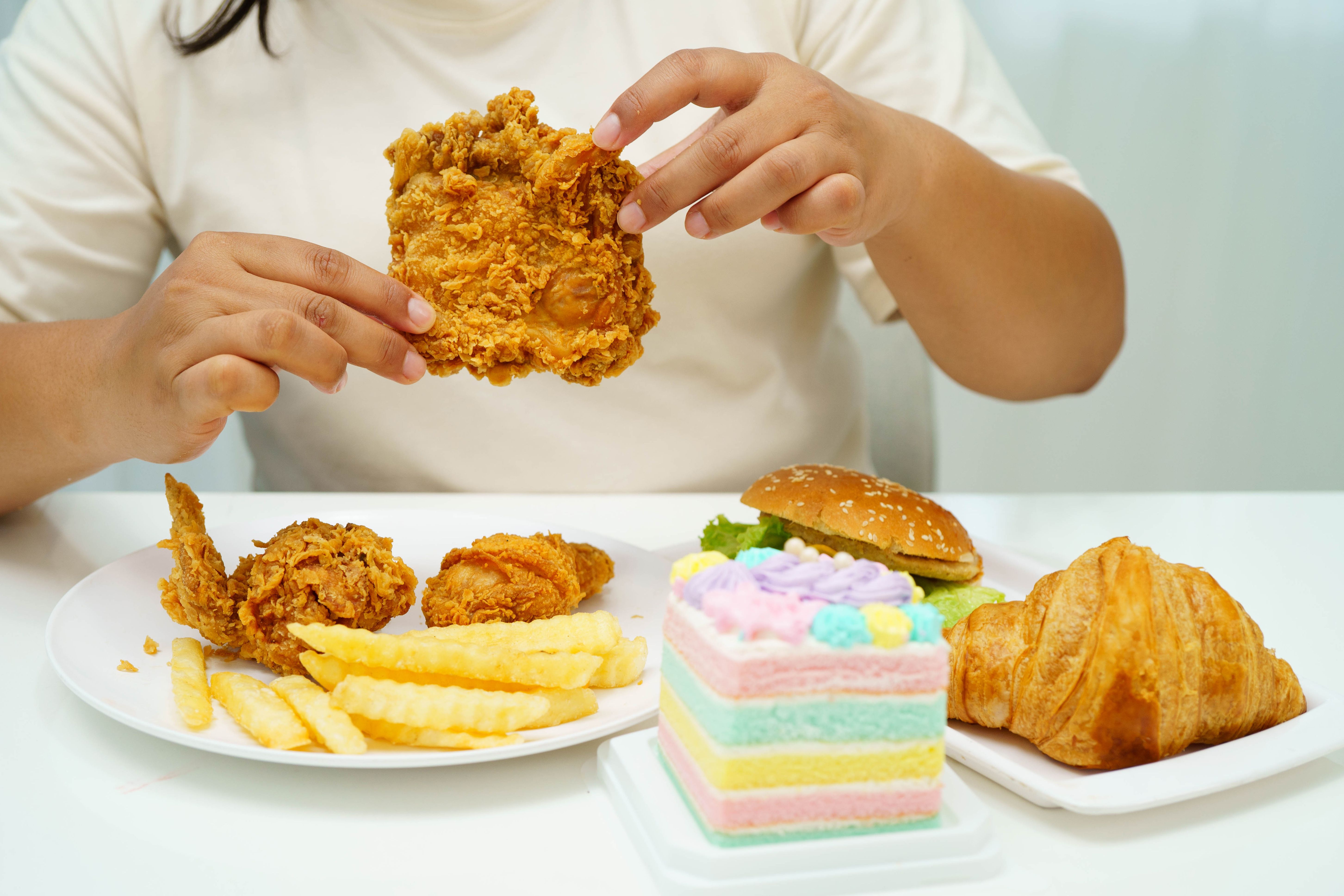
Stress Eating: When Life Feels Overwhelming
What It Looks Like
Stress eating happens when external pressures pile up and food becomes a release valve.
Key characteristics:
Reactive — eating in response to specific stressors (deadlines, conflict, overwhelm)
Comfort-seeking — often choosing familiar, nostalgic foods
Taking a break — using food as a pause from demands
Quick energy — reaching for fast-acting foods when you're running on empty
The only "me time" — eating becomes the only moment of self-care in a packed day
What's Happening in Your Life
You're juggling too much. Your to-do list is endless. Everyone needs something from you. You're exhausted but can't stop.
Food becomes the one thing that's just for you. It's a moment of pleasure in a day full of obligations. It's a brief escape from the relentless pressure.
You're not lacking discipline. You're overwhelmed and under-resourced.
Common Thoughts During Stress Eating
- "I deserve this after the day I've had"
- "I just need five minutes to myself"
- "This is my reward for getting through it"
- "I'm so tired, I just need something easy"
- "Everyone else gets what they need—this is for me"
The Aftermath
Sometimes relief. Sometimes guilt that you "gave in." Often, the stress is still there waiting for you.
What you need: Actual breaks. Boundaries. Support. Permission to rest without earning it through productivity. Other forms of stress relief that don't come with shame.
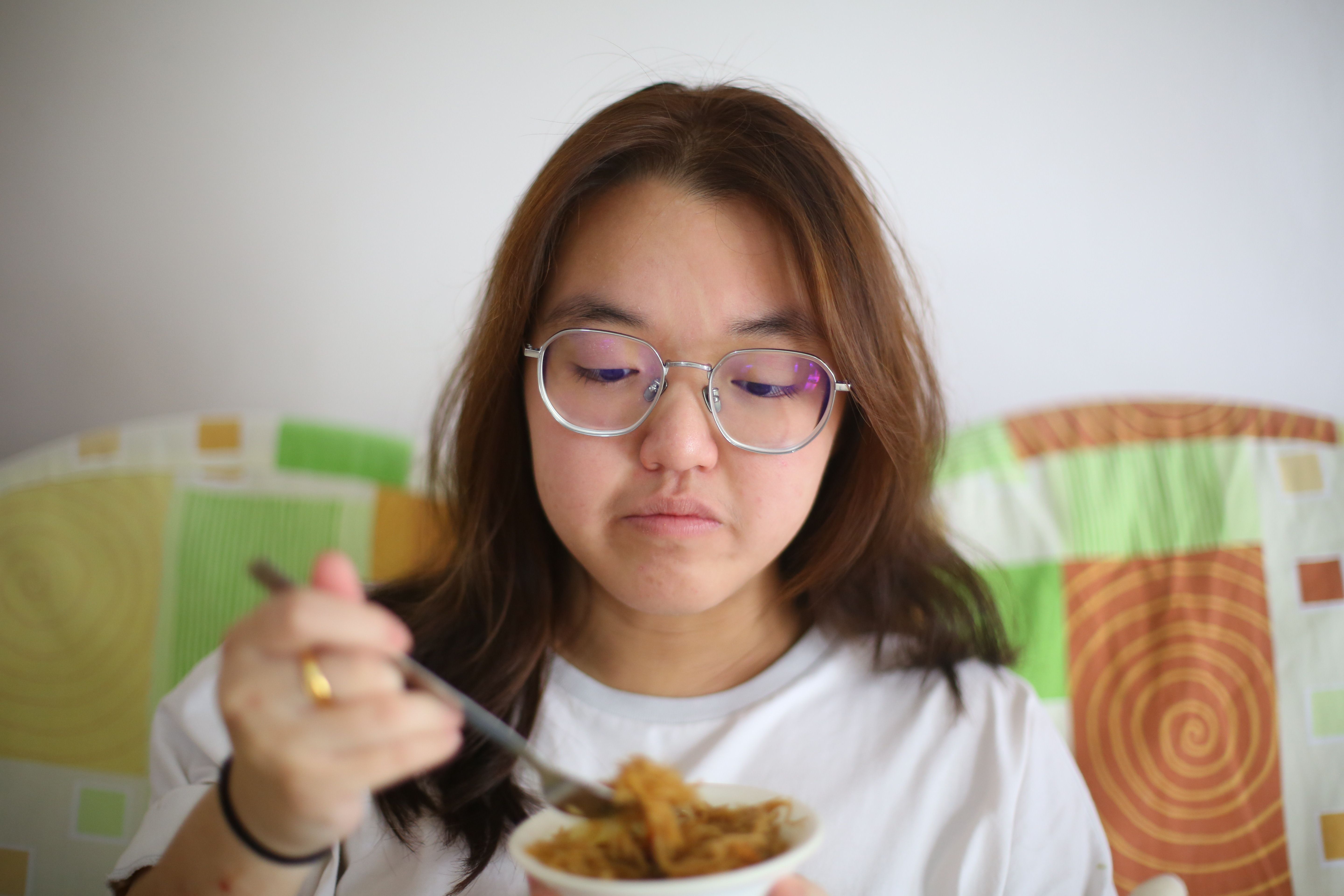
Boredom Eating: When You Eat to Fill the Void
What It Looks Like
Boredom eating happens when you're understimulated and food becomes entertainment.
Key characteristics:
- Mindless munching — eating without hunger or intention
- Seeking stimulation — food provides something interesting to do
- Repetitive grazing — going back to the kitchen over and over
- Variety-seeking — trying different foods to find something satisfying
- Time-filling — eating because there's nothing else to do
What's Happening Emotionally
You're not engaged. You're lonely, restless, or disconnected. You need stimulation, connection, or purpose, but those things feel out of reach.
Food is available. Food is interesting. Food fills time. Food gives you something to do with your hands and mouth.
You're not lazy. You're under-stimulated and looking for engagement.
Common Thoughts During Boredom Eating
- "There's nothing else to do"
- "I'm not even hungry, but..."
- "Maybe this will taste good"
- "I just want to feel something"
- "I know I'm bored, not hungry, but I'm eating anyway"
The Aftermath
You might feel frustrated that you ate when you "knew better." The boredom remains.
What you need: Engagement. Stimulation. Connection. Activities that genuinely interest you. Permission to be bored without pathologizing it.

Celebratory Eating: When Food Is Joy and Connection
What It Looks Like
Celebratory eating is eating for pleasure, tradition, and social connection, and it's one of the most normal types of emotional eating.
Key characteristics:
Joyful and intentional — eating because it's delicious and you want to
Social and cultural — sharing food with others, honoring traditions
Pleasure-focused — savoring flavors, textures, experiences
Connected to meaning — birthdays, holidays, achievements, gatherings
Unrestricted — eating without guilt or compensation plans
What's Happening Socially
Food is celebration. Food is culture. Food is how humans have gathered and connected for millennia.
This is emotional eating too... and it's beautiful.
You're not "being bad." You're being human and honoring joy.
Common Thoughts During Celebratory Eating
- "This is delicious"
- "I'm so glad I'm here sharing this"
- "This reminds me of home"
- "Life is good right now"
- "I want to remember this moment"
The Aftermath
Ideally? Satisfaction and happy memories. But if diet culture has gotten to you, you might feel guilt even here.
What you need: Permission to enjoy food. Freedom from compensatory exercise or restriction. The knowledge that celebration is not something to punish yourself for.

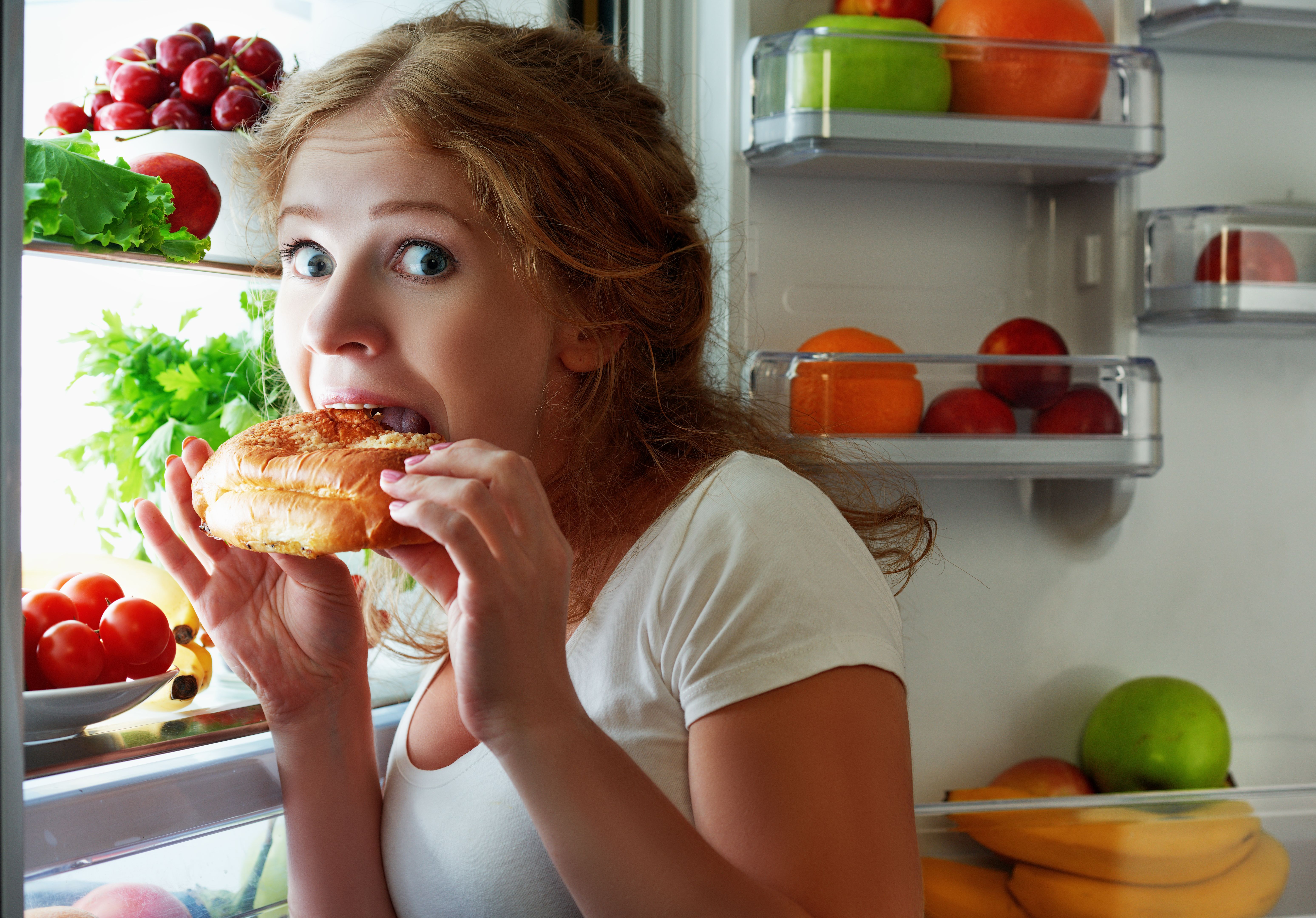
Loneliness Eating: When Food Replaces Connection
What It Looks Like
Loneliness eating happens when you're isolated, and food becomes a substitute for human connection.
Key characteristics:
- Seeking comfort — food fills the emotional void left by lack of connection
- Eating alone — often done in private, sometimes hidden
- Repetitive patterns — same foods, same times, creating ritual
- Filling emptiness — trying to satisfy emotional hunger with physical food
- The only companion — food becomes a reliable presence in your life
What's Happening Emotionally
You're disconnected. You want to be seen, known, loved—but that feels impossible or unsafe. Food doesn't reject you. Food is always there.
You're not pathetic. You're lonely and trying to meet a fundamental human need the only way you know how.
Common Thoughts During Loneliness Eating
- "At least food doesn't leave"
- "No one would understand anyway"
- "This is easier than reaching out"
- "I don't want to burden anyone"
- "Food is the only thing I can count on"
The Aftermath
Brief comfort, then often deeper loneliness and shame.
What you need: Safe connection. Community. Therapy. Permission to need people. Gradual relationship building.
Comparison Chart: Quick Reference Guide
| Type | Pace | Primary Emotion | Brain Seeking | Common Foods | Aftermath |
| Depression | Slow, disconnected | Emptiness, hopelessness | Dopamine | Easy, no-prep foods | Shame → deeper depression |
| Anxiety | Fast, urgent | Panic, overwhelm | Calm, regulation | Crunchy, chewy textures | Temporary relief → guilt |
| Stress | Reactive | Pressure, exhaustion | Relief, escape | Comfort foods | Brief pause → stress returns |
| Boredom | Mindless, repetitive | Restlessness, emptiness | Stimulation | Variety, whatever's available | Frustration → boredom continues |
| Celebration | Intentional, joyful | Happiness, connection | Pleasure, tradition | Special, meaningful foods | Satisfaction (or diet-culture guilt) |
| Loneliness | Ritualistic, private | Isolation, longing | Connection, comfort | Familiar, nostalgic foods | Brief comfort → deeper loneliness |

How to Identify Your Patterns (Without Judgment)
Understanding your emotional eating patterns isn't about labeling yourself, it's about gathering information so you can respond with compassion.
Step 1: Notice Without Shame
- When you find yourself eating emotionally, pause (if you can) and ask:
- What was I feeling before I started eating?
- What happened today/this hour?
- How does my body feel right now?
- What do I actually need?
This is data collection, not self-punishment.
Step 2: Look for Patterns
Over time, you might notice:
- Do you eat when you're overwhelmed at work? (Stress eating)
- Do you eat when you're scrolling aimlessly? (Boredom eating)
- Do you eat when your chest feels tight and your mind is racing? (Anxiety eating)
- Do you eat when everything feels gray and heavy? (Depression eating)
- Do you eat when you're home alone for hours? (Loneliness eating)
Step 3: Get Curious About Needs
Each type of emotional eating is trying to meet a need:
Depression eating → Need for pleasure, dopamine, energy
Anxiety eating → Need for calm, regulation, grounding
Stress eating → Need for relief, rest, boundaries
Boredom eating → Need for stimulation, engagement, purpose
Loneliness eating → Need for connection, belonging, companionship
Your needs are valid. The question is: what else might help meet them?
Step 4: Build a Toolbox (Not a Replacement Plan)
The goal isn't to stop emotional eating entirely. The goal is to have options.
For depression eating:
- Seek treatment for depression (therapy, medication, support)
- Lower the bar for "eating well"
- Use pleasure where you can find it
- Practice radical self-compassion
For anxiety eating:
- Learn nervous system regulation (breathwork, grounding, movement)
- Try sensory tools (fidgets, stress balls, ice)
- Consider therapy for anxiety
- Use food as one tool, not the only tool
For stress eating:
- Set actual boundaries
- Take real breaks
- Ask for help
- Practice saying no
For boredom eating:
- Find activities that genuinely interest you
- Build connection
- Create structure that includes variety
- Let yourself be bored sometimes; it's okay
For loneliness eating:
- Reach out (even when it's scary)
- Join communities (online or in-person)
- Build gradual, safe connections
- Work with a therapist on attachment and relationship skills
What to Do With This Information
Now that you understand the different types of emotional eating, here's what NOT to do:
❌ Use this information to shame yourself ("I'm such a stress eater, I'm so weak")
❌ Try to eliminate all emotional eating immediately
❌ Add more rules and restrictions
❌ Pathologize normal human behavior
Here's what TO do:
✅ Recognize your patterns with compassion — "Oh, I'm anxiety eating. My nervous system needs support."
✅ Address the root cause when possible — Treat the depression, manage the stress, build connection
✅ Expand your toolbox — Add coping strategies that work alongside food
✅ Remove shame from the equation — You're not broken, you're human
✅ Seek support if needed — Therapy, support groups, trusted friends

A Final Glow Note: You're Not Alone
If you see yourself in one (or many) of these patterns, you're not alone.
Millions of people eat emotionally. It's one of the most common human behaviors.
The difference between suffering and healing isn't whether you eat emotionally, it's whether you shame yourself for it.
Shame deepens the pattern. Compassion creates space for change.
So, here's your permission slip:
You are allowed to eat for reasons other than physical hunger.
You are allowed to find comfort in food.
You are allowed to be human.
And you are worthy of kindness, especially from yourself.
If you found this guide helpful, you might also enjoy:
Podcast Episode: "Depression Eating: When Food Becomes Your Only Comfort"
Blog Post: "What Nobody Tells You About Recovering from Depression While Healing Your Relationship with Food"
Resource: "50+ No-Prep Foods for Depression Days"
Need more support? Consider working with a therapist who specializes in emotional eating, or explore our resources on trauma-informed approaches to food and body healing.
Glow through the hard days. Flow with compassion for yourself. And remember: you deserve gentleness, especially from yourself.
- Glow & Flow Holistics
Pin this post | Share on X | Share on Facebook