Can Depression Cause Loss of Appetite? Understanding the Forgotten Side of Depression and Food
When Depression Kills Your Appetite: The Other Side of Depression & Food
A Glow & Flow Holistics Resource

Introduction: When Food Becomes Impossible
We talk a lot about depression eating—when food becomes the only comfort, the only thing that still feels good.
But there's another experience that's just as common, just as painful, and far less discussed:
- When depression kills your appetite entirely.
- When food stops sounding good.
- When the thought of eating makes you nauseous.
- When your body forgets what hunger feels like.
- When eating feels like a chore, you can't summon the energy to complete.
If you've ever gone days barely eating because depression made food feel impossible, this post is for you.
If you've ever felt your body wasting away while people said, "At least you're losing weight," this post is for you.
If you've ever felt broken because depression didn't make you eat more—it made you unable to eat at all—this post is for you.
You're not alone. You're not broken. And you're not doing depression "wrong."
Depression affects appetite in different ways for different people. For some, food becomes comfort. For others, food becomes impossible.
Both experiences are valid. Both deserve compassion. Both deserve support.
Let's talk about what happens when depression steals your appetite—and what you can do when eating feels impossible.

What Appetite Loss in Depression Looks Like
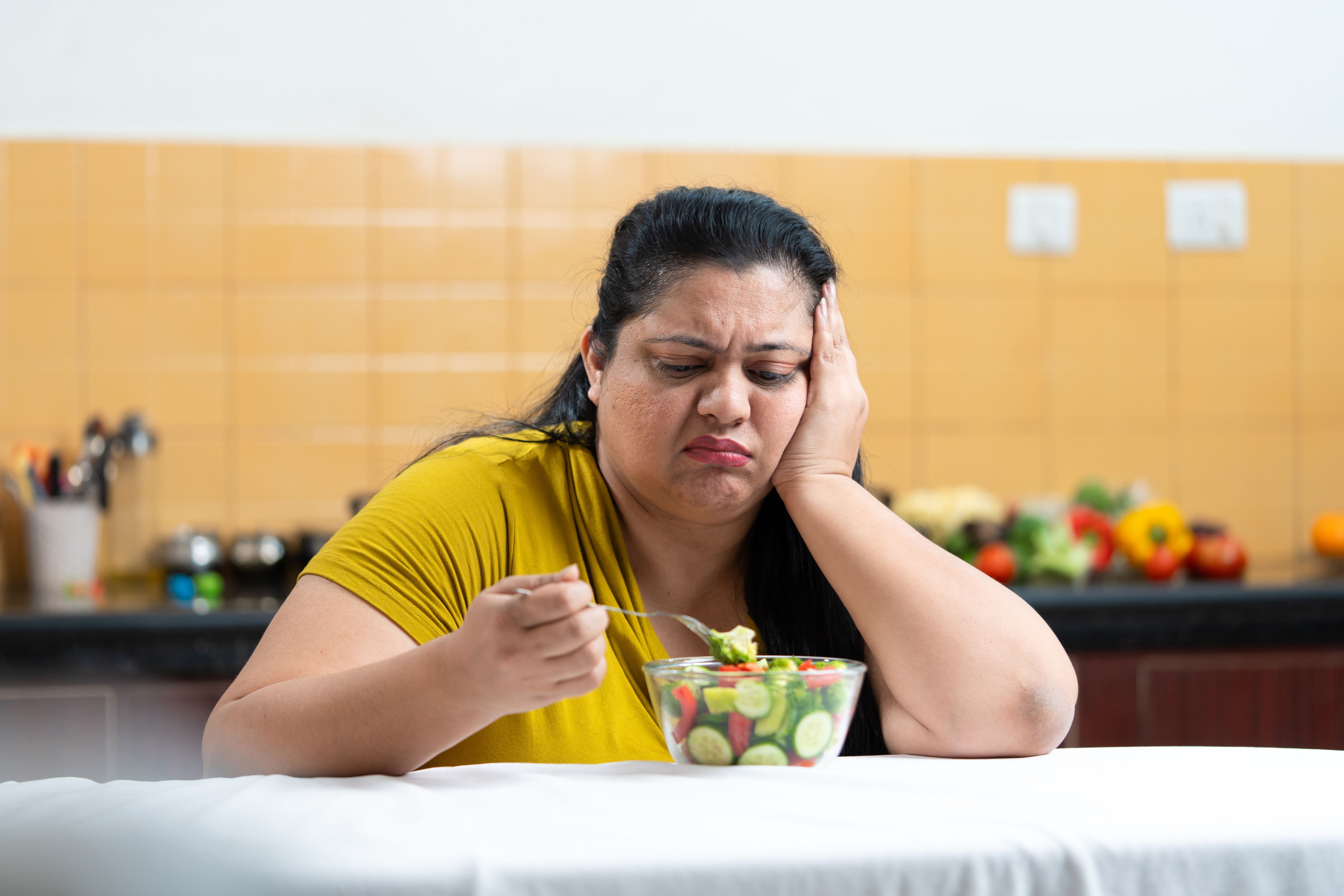
Depression-related appetite loss isn't just "not feeling hungry." It's a profound disconnection from your body's signals and needs.
Common Experiences:
Physical sensations:
- No hunger cues at all—your body stops signaling for food
- Nausea at the thought of eating
- Food tasting like cardboard or having no flavor
- Feeling full after a few bites
- Stomach feeling heavy or uncomfortable
- Physical aversion to food textures
- Gagging or difficulty swallowing
- Forgetting to eat for hours or days
Cognitive/emotional experiences:
- "I know I should eat, but I just... can't"
- Food feels pointless—"What's the point?"
- Decision fatigue—choosing what to eat feels impossible
- Guilt about wasting food you can't finish
- Awareness you're losing weight but no ability to stop it
- Knowing you need to eat but having zero desire
Behavioral patterns:
- Skipping meals without noticing
- Eating one small meal per day (or less)
- Avoiding social situations involving food
- Lying about having eaten to avoid concern
- Buying food that goes bad because you can't eat it
- Surviving on liquids or the tiniest portions
What This Feels Like:
Imagine your body's "hunger alarm" is completely broken. The signals that tell you "time to eat" simply don't fire. Food doesn't look appealing. It doesn't smell good.
The thought of putting it in your mouth feels overwhelming.
But your body still needs fuel. So you're running on empty, getting weaker, losing weight, and feeling even worse—which deepens the depression, which makes eating even harder.
It's a vicious cycle. And it's dangerous.
Why Depression Kills Your Appetite
Let's talk about what's happening in your brain and body when depression suppresses your appetite.
The Neuroscience:
Serotonin Disruption: Depression involves disrupted serotonin levels—the same neurotransmitter that regulates appetite. When serotonin is dysregulated, your hunger cues get scrambled or disappear entirely.
Dopamine Depletion: Dopamine makes things feel rewarding and pleasurable. Food is supposed to trigger dopamine. But when depression depletes dopamine, food stops feeling good—so your brain stops signaling that you need it.
Stress Hormone Overload: Depression activates your stress response, flooding your body with cortisol. Chronic stress suppresses appetite and digestion. Your body is in survival mode—and ironically, that survival mode makes you stop eating.
Hypothalamic Dysfunction: The hypothalamus regulates hunger. Depression can disrupt this region, turning off hunger signals entirely.
The Physical Reality:
Slowed Digestion: Depression slows your entire system, including digestion. Food sits heavy in your stomach. You feel full quickly. Eating becomes physically uncomfortable.
Altered Taste and Smell: Depression can literally change how food tastes. The sensory pleasure of eating disappears. Food becomes texture without flavor.
Nausea and Gastrointestinal Symptoms: Depression commonly causes nausea, stomach pain, and digestive issues—making the thought of eating nauseating.
Energy Conservation: When your body is fighting depression, it's burning energy you don't have. Paradoxically, this can suppress appetite as your body tries to conserve resources.
The Psychological Component:
Anhedonia (Loss of Pleasure): Nothing brings joy when you're depressed—including food. If eating isn't pleasurable, your brain sees no reason to pursue it.
Apathy: Depression creates profound "I don't care" feelings. You don't care if you eat. You don't care if you're hungry. You don't care about survival.
Executive Dysfunction: Depression makes decision-making nearly impossible. Choosing what to eat, preparing it, and executing the task of eating all require executive function you don't have.
Hopelessness: When everything feels pointless, eating feels pointless too. "Why bother?" becomes the default response to everything—including nourishment.

How This Is Different From Other Eating Issues
It's important to distinguish depression-related appetite loss from other eating concerns:
Depression Appetite Loss vs. Anorexia Nervosa:
Anorexia Nervosa:
- Intentional restriction driven by fear of weight gain
- Body image distortion
- Intense focus on weight, shape, calories
- Active avoidance of food despite hunger
- Often involves compensatory behaviors
- Intentional restriction driven by fear of weight gain
Depression Appetite Loss:
- Unintentional—you're not choosing not to eat
- No fear of weight gain (often aware weight loss is harmful)
- No body image distortion driving the behavior
- Absence of hunger rather than ignoring it
- No desire to restrict—just inability to eat
- Unintentional—you're not choosing not to eat
Important: These can co-exist. Depression and eating disorders often overlap. If you have both, you deserve specialized support.
Depression Appetite Loss vs. Stress-Related Appetite Loss:
Temporary Stress:
- Appetite returns when stressor passes
- Usually lasts days to weeks
- Linked to specific events
- Hunger returns naturally
- Appetite returns when stressor passes
Depression:
- Persists even without external stressors
- Lasts weeks, months, or longer
- Not tied to specific events
- Hunger doesn't return on its own
- Persists even without external stressors
Depression Appetite Loss vs. Medical Illness:
Many medical conditions suppress appetite. If you're experiencing unexplained appetite loss, it's crucial to rule out:
- Gastrointestinal disorders
- Thyroid issues
- Infections
- Chronic illnesses
- Medication side effects
- Gastrointestinal disorders
See a doctor to rule out medical causes, then address the depression.

The Dangerous Reality: Why This Matters
Here's what needs to be said clearly:
Not eating is dangerous. Depression-related appetite loss can have serious medical consequences.
Short-Term Effects:
- Fatigue and weakness
- Dizziness and fainting
- Difficulty concentrating
- Mood worsening (malnutrition worsens depression)
- Weakened immune system
- Dehydration
- Fatigue and weakness
Long-Term Effects:
- Malnutrition
- Muscle wasting
- Bone density loss
- Organ damage (heart, liver, kidneys)
- Hormonal disruption
- Cognitive impairment
- Increased risk of medical complications
- Malnutrition
The Depression Paradox:
Not eating makes depression worse. Depression makes eating harder. The cycle deepens.
You cannot think your way out of depression while your brain is starving.
Therapy doesn't work as well when you're malnourished. Medication doesn't work as well. Your body needs fuel to heal your mind.
This is a medical emergency that doesn't always look like one.
The Harmful Things People Say (And Why They're Wrong)
When you're losing weight from depression, people often say incredibly harmful things—usually without realizing it.
"At least you're losing weight!"
Why this is harmful: This comment treats weight loss as universally positive, ignoring that you're literally wasting away from illness. It suggests your body size matters more than your health or suffering.
The truth: Weight loss from inability to eat is a symptom of illness, not an achievement. Your body deserves nourishment regardless of size.
"I wish I had that problem."
Why this is harmful: This minimizes your suffering and treats serious illness as desirable. It suggests you're lucky to be unable to eat.
The truth: Starvation isn't a "problem" anyone should wish for. Your struggle is real and valid.
"Just eat. It's not that hard."
Why this is harmful: This implies you're choosing not to eat or being dramatic. It ignores the neurobiological reality of depression.
The truth: If you could "just eat," you would. Depression has broken your hunger signals and made food physically and psychologically impossible.
"You need to try harder."
Why this is harmful: This places blame on you for a symptom of illness you can't control through willpower alone.
The truth: You're not failing. Depression is stealing your ability to nourish yourself. This isn't about effort—it's about illness.
"But you used to love food."
Why this is harmful: This highlights what depression has taken from you, often making you feel worse.
The truth: Depression steals joy from everything, including food. This loss is part of your illness, not a character flaw.
Practical Strategies: How to Eat When You Can't Eat
When depression has killed your appetite, eating requires strategy. Here are approaches that can help.
Strategy 1: Focus on Liquids First
Why this works: Liquids are easier to consume than solid food. They require less chewing, less digestion, and less mental energy.
Options:
[ ] Protein shakes or meal replacement drinks (Ensure, Boost, Orgain)
[ ] Smoothies (store-bought or simple recipes)
[ ] Soup (broth-based or creamy, whatever sounds tolerable)
[ ] Milk (dairy or non-dairy)
[ ] Juice (even just for calories)
[ ] Electrolyte drinks (Gatorade, Pedialyte)
[ ] Drinkable yogurt
[ ] Hot chocolate or chocolate milk
[ ] Nutritional supplement drinks
Approach: Start with sips. Even small amounts of liquid calories are better than nothing.
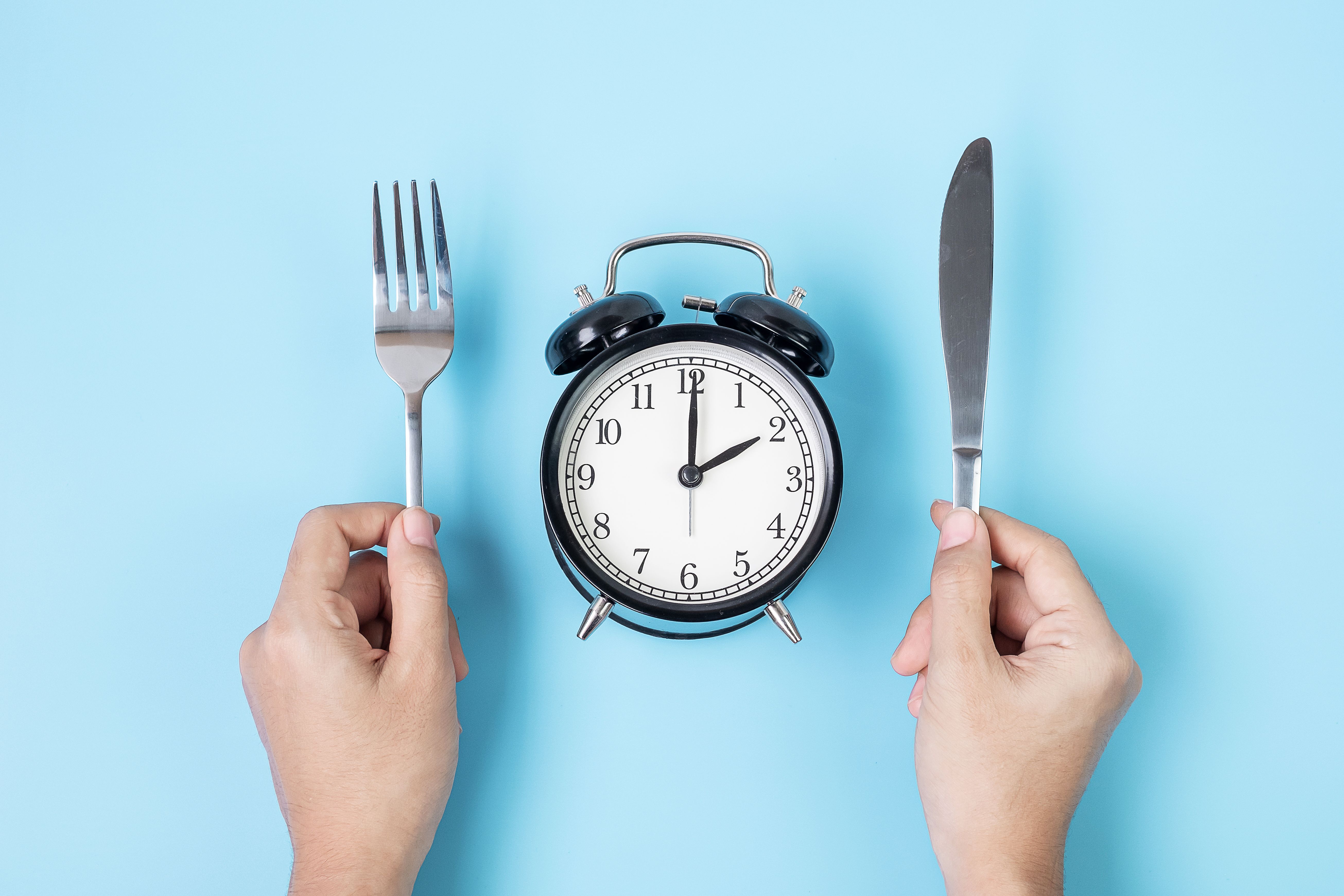
Strategy 2: The "Eating by the Clock" Method
Why this works: When hunger signals are broken, you can't rely on your body to tell you when to eat. External structure replaces internal cues.
How to do it:
- Set alarms for three eating times per day (doesn't have to be "meals")
- When the alarm goes off, consume something—anything
- Even if it's just a few bites or sips, that counts
- No judgment about what or how much
- Set alarms for three eating times per day (doesn't have to be "meals")
Example schedule:
10 AM: Protein shake
2 PM: Handful of crackers and cheese
6 PM: Half a bowl of soup
The goal: Regular intake, not perfect nutrition.
Strategy 3: The "Minimum Viable Nutrition" Approach
Why this works: When everything feels overwhelming, having a simple, achievable baseline removes decision fatigue.
Your minimum baseline might be:
One protein shake per day
One piece of fruit
A handful of nuts
Water
That's it.
Not a full meal plan. Not "healthy eating." Just the absolute minimum to keep your body functioning.
On better days, you can do more. On the worst days, you hit the minimum.
Strategy 4: Choose "Easy" Foods
Why this works: When eating is hard, choose foods that require minimal effort and go down easily.
Easy foods to keep on hand:
- Yogurt (can eat with a spoon, cold and soothing)
- Applesauce pouches (squeeze and swallow)
- Bananas (soft, quick, portable)
- Peanut butter (calorie-dense, eat from spoon)
- Cheese sticks (protein, easy)
- Crackers (plain, simple)
- Ice cream (calories, easy to swallow, cold can be soothing)
- Pasta with butter (bland, comforting)
- Toast with honey (simple carbs)
- Instant oatmeal (warm, soft)
- Yogurt (can eat with a spoon, cold and soothing)
Avoid:
- Foods requiring extensive prep
- Foods with strong smells
- Foods with challenging textures
- Foods requiring a lot of chewing
- Foods requiring extensive prep
Strategy 5: Make Eating Completely Mindless
Why this works: When depression makes everything feel pointless, removing the "task" element can help.
How to do it:
- Eat while watching TV (yes, really)
- Keep snacks within arm's reach while in bed
- Eat the same thing every day (decision-making eliminated)
- Use delivery/takeout if you can afford it
- Ask someone else to decide what you eat
- Eat while watching TV (yes, really)
Day-to-Day Strategy: "Mindful eating is best!"
Depression reality says: "Any eating is best."
Strategy 6: Temperature Matters
Why this works: Some people find cold or hot foods more tolerable when their appetite is gone.
Experiment with:
Cold: Smoothies, ice cream, cold fruit, yogurt, iced drinks
Hot: Soup, tea, warm milk, oatmeal, hot chocolate
Some people find room temperature easier. There's no right answer—only what works for you.
Strategy 7: Supplements When Food Fails
Why this works: When you can't get nutrients from food, supplements can prevent deficiency.
Consider (with doctor approval):
- Multivitamin (basic nutritional insurance)
- Protein powder (add to any liquid)
- Vitamin D (often deficient in depression)
- B vitamins (support energy and mood)
- Omega-3s (brain health)
- Multivitamin (basic nutritional insurance)
Important: Supplements don't replace food, but they're better than nothing.
Strategy 8: The "Five-Bite Rule"
Why this works: Committing to "finish a meal" feels impossible. Five bites feels achievable.
How to do it:
- Put food in front of you
- Commit to five bites
- After five bites, you can stop if you want
- Put food in front of you
Often, starting is the hardest part
Five bites is success. Not failure.
Strategy 9: Social Eating (If You Have Safe People)
Why this works: Eating with others can make the task feel less isolating and provide gentle accountability.
Options:
- Ask a friend to eat with you (in person or video call)
- Join someone for a meal (even if you only have a little)
- Have someone prepare food for you
- Order food together
- Ask a friend to eat with you (in person or video call)
Important: Only do this with people who won't pressure, judge, or comment on your intake.
Strategy 10: Track for Awareness, Not Judgment
Why this works: When eating is sparse, tracking helps you see patterns and ensures you're getting something.
How to do it: Create a simple log:
- Date
- What I consumed (even if just sips)
- Time
- How I felt after
- Date
Not:
- Calories
- "Good" or "bad" labels
- Self-criticism
- Calories
Goal: Awareness and patterns, not perfection.

When to Seek Medical Help Immediately
Depression-related appetite loss can become medically dangerous. Seek help if you experience:
Emergency Signs:
- Not eating at all for 3+ days
- Severe dehydration (dark urine, dizziness, confusion)
- Fainting or severe weakness
- Chest pain or heart palpitations
- Inability to keep down liquids
- Suicidal thoughts related to starvation
- Not eating at all for 3+ days
Urgent (But Not Emergency) Signs:
- Unintentional weight loss of 10+ pounds in a month
- Eating less than 500 calories per day consistently
- Hair loss, brittle nails, extreme fatigue
- Persistent nausea or vomiting
- Loss of menstrual period (if applicable)
- Feeling faint regularly
- Unintentional weight loss of 10+ pounds in a month
Who to Contact:
- Primary care doctor
- Psychiatrist (for medication adjustment)
- Therapist (for support)
- Eating disorder specialist (even if you don't have an ED, they understand
- appetite issues)
- Emergency room (if severe)
- Primary care doctor
You deserve medical attention. This is a real medical issue.

Treatment Options That Can Help
Medical Interventions:
Appetite Stimulant Medications: Some medications can help restore appetite:
- Certain antidepressants (like mirtazapine) increase appetite
- Medical marijuana (where legal) stimulates appetite
- Appetite stimulant medications (discuss with doctor)
- Antidepressant Adjustment: Some antidepressants suppress appetite.
- Certain antidepressants (like mirtazapine) increase appetite
Switching medications might help. Talk to your psychiatrist.
Nutritional Therapy: A dietitian specializing in mental health can create realistic eating plans for depression.
Medical Monitoring: Regular check-ins to monitor weight, labs, and overall health.
Therapeutic Support:
Therapy for Depression:
- Cognitive Behavioral Therapy (CBT)
- Dialectical Behavior Therapy (DBT)
- Acceptance and Commitment Therapy (ACT)
- Interpersonal therapy
- Eating Disorder Therapy (if overlap exists): Even if you don't have an eating disorder, ED therapists understand appetite issues.
- Support Groups: Connecting with others experiencing similar struggles can reduce isolation.
- Cognitive Behavioral Therapy (CBT)
Lifestyle Modifications:
Gentle Movement: Light exercise can sometimes stimulate appetite. But don't force it if energy is too low.
Sleep Hygiene: Improving sleep can help regulate appetite hormones.
Stress Reduction: When possible, reducing stressors can ease the appetite suppression.

What Loved Ones Can Do to Help
If someone you care about is struggling with depression-related appetite loss, here's how to support them:
DO:
Offer specific help:
"I'm making soup. Can I bring you some?"
"I'm at the store. Can I grab you protein shakes?"
"Can I sit with you while you try to eat something?"
Make eating easier:
- Prepare simple foods they can eat easily
- Keep shelf-stable protein drinks on hand
- Remove the burden of decision-making
- Prepare simple foods they can eat easily
Validate their experience:
"I know eating feels impossible right now"
"You're not failing—depression is making this hard"
"I'm worried about you and I'm here to help"
Gently monitor without pressure:
"I notice you haven't eaten today. Can I help with that?"
"What sounds most tolerable right now?"
Support professional help:
- Encourage doctor visits
- Offer to go with them to appointments
- Help them find therapists or dietitians
- Encourage doctor visits
DON'T:
Pressure or force:
- "You HAVE to eat"
- Standing over them demanding they finish food
- Making eating a battle
- "You HAVE to eat"
Shame or guilt:
"Do you know how worried we are?"
"You're wasting away"
"Why won't you just try?"
Make it about weight:
"You're too skinny"
"You look sick"
Comments about their body
Ignore the severity:
"It's just a phase"
"You'll eat when you're hungry"
Assuming they're choosing this
Offer unhelpful advice:
"Just force yourself"
"Try eating your favorite foods" (depression makes nothing sound good)
Suggesting willpower or motivation
Self-Compassion When Eating Feels Impossible
The shame around not eating can be overwhelming. Let's address it directly.
The Shame Thoughts:
"I'm an adult. I should be able to feed myself."
"Other people manage to eat. Why can't I?"
"I'm going to die because I can't do something as basic as eating."
"My body is wasting away and it's my fault."
"I'm letting everyone down."
The Truth:
You are not failing at being human. You are experiencing a symptom of a serious illness.
Depression has broken your hunger signals. This isn't a character flaw. This isn't a weakness. This isn't a choice.
You wouldn't shame someone for diabetes affecting their insulin. You wouldn't blame someone for a broken leg making them unable to walk.
Depression affecting your appetite is the same. It's illness, not failure.
Affirmations for Appetite Loss:
"My body deserves nourishment, even when my brain can't signal for it"
"Eating any amount is better than nothing"
"I'm not failing—I'm fighting an illness"
"Small amounts count. Liquid counts. Anything counts."
"I deserve medical support, not shame"
"This is temporary. I won't always feel this way."
"My worth isn't determined by my ability to eat"
Recovery: What It Looks Like
Recovery from depression-related appetite loss isn't linear. Here's what to expect:
Early Recovery:
Appetite doesn't return all at once
You might have "better" and "worse" days
Eating still feels like work, but becomes slightly easier
You start noticing hunger cues occasionally
Mid Recovery:
Hunger signals become more consistent
Food starts tasting normal again
Eating requires less conscious effort
Weight stabilizes or begins to restore
Late Recovery:
Appetite feels natural again
Food brings pleasure
You can eat without anxiety or effort
Your body has restored lost weight/muscle
Important Notes:
Recovery isn't about "eating normally" immediately. It's about gradual progress.
Setbacks happen. Depression may flare again. Having strategies in place helps.
Your body may need time to trust you again. If you've been undereating for months, your hunger signals may take time to restore.
Be patient with yourself. You're healing from a serious illness.
Hope: You Can Get Through This
I know it doesn't feel like it right now, but this doesn't last forever.
Depression lies. It tells you nothing will ever get better. It tells you that eating will always be impossible. It tells you this is just who you are now.
Depression is lying.
With treatment, support, and time, appetite can return. Food can taste good again. Eating can feel natural again.
You can heal.
It won't happen overnight. It won't be perfect. There will be setbacks.
But one day, you'll eat without thinking about it. One day, you'll feel hungry and respond to that hunger naturally. One day, food will bring pleasure again.
Until then:
- Do the best you can with what you have
- Seek medical support
- Use the strategies that work for you
- Be gentle with yourself
- Accept help when it's offered
- Trust that this is temporary
- Do the best you can with what you have
Your body is resilient. Your brain can heal. And you deserve to be nourished.

Final Flow Thoughts: You Are Not Alone
If you're reading this and recognizing yourself, I want you to know:
You are not the only person who can't eat when depressed.
You are not broken or doing depression "wrong."
You deserve compassion, support, and medical care.
This is a real, serious symptom that deserves attention.
Appetite loss from depression is just as valid as depression eating. Both deserve understanding. Both deserve treatment.
Your struggle is real. Your pain is real. Your need for help is real.
And you deserve to survive this.
Please reach out for help. Please see a doctor. Please let people support you.
You deserve to be nourished. You deserve to heal.
And you will.
Crisis Resources:
National Suicide Prevention Lifeline: 988
Crisis Text Line: Text HOME to 741741
SAMHSA National Helpline: 1-800-662-4357
National Eating Disorders Association (NEDA) Helpline: 1-800-931-2237
Medical Resources:
Find a psychiatrist: Psychology Today Therapist Finder
Find an eating disorder specialist: NEDA Treatment Finder
Find a registered dietitian: Academy of Nutrition and Dietetics
Related Resources:
Podcast Episode: "Depression Eating: When Food Becomes Your Only Comfort"
Blog Post: "Depression Eating vs. Other Types of Emotional Eating"
Blog Post: "How to Build a Depression Care Package"
Glow through the darkness. Flow with compassion for yourself. And remember: you deserve nourishment—always.
- Glow & Flow Holistics
Pin this post | Share with someone who needs it | Download the survival strategies