Is Seasonal Depression Quietly Fueling Your Emotional Eating? Here’s What’s Actually Going On
Darkness Triggers Your Emotional Eating: Understanding Seasonal Affective Disorder (SAD)
If you find yourself struggling more with emotional eating as the days get shorter—craving carbs constantly, eating more at night, feeling like you can't get enough food no matter what you eat—you're not imagining it.
And you're definitely not alone.
You might be experiencing Seasonal Affective Disorder (SAD), a type of depression that follows a seasonal pattern. And for emotional eaters, SAD can turn an already difficult relationship with food into an overwhelming daily battle.
Let's talk about what's really happening in your brain and body during the darker months—and what you can actually do about it (without restriction, shame, or "just think positive" nonsense).
What is Seasonal Affective Disorder (SAD)?
Seasonal Affective Disorder is a type of depression that occurs at the same time every year, typically starting in fall and continuing through winter. Less commonly, some people experience it during spring and summer.
SAD isn't just "winter blues." It's a legitimate form of clinical depression with specific biological causes.

The Science Behind SAD
When daylight decreases, several things happen in your brain and body:
1. Serotonin drops
Less sunlight = lower serotonin production
Serotonin regulates mood, appetite, and sleep
Low serotonin = depression, increased carb cravings, emotional eating
2. Melatonin increases
Darkness triggers melatonin (your sleep hormone)
More darkness = more melatonin during waking hours
Result: You feel sluggish, tired, and want to hibernate
3. Circadian rhythm disruption
Your internal clock gets confused by reduced light
This affects sleep, hunger cues, energy levels, and mood
4. Vitamin D plummets
Less sunlight exposure = less vitamin D production
Vitamin D deficiency is linked to depression
Low vitamin D also affects appetite regulation
Your brain chemistry literally changes with the seasons. This isn't weakness. It's biology.
Common Symptoms of SAD
Not everyone experiences SAD the same way, but common symptoms include:
Emotional/Mental Symptoms:
- Persistent sadness, hopelessness, or emptiness
- Loss of interest in activities you usually enjoy
- Irritability and mood swings
- Difficulty concentrating or making decisions
- Feelings of worthlessness or guilt
- Increased anxiety
- Social withdrawal
Physical Symptoms:
- Oversleeping or difficulty waking up
- Constant fatigue (even after sleep)
- Significant weight gain
- Increased appetite (especially for carbs and sweets)
- Heavy, "leaden" feeling in arms and legs
- Low energy despite adequate rest
The "Hibernate" Feeling:
Many people with SAD describe feeling like they just want to:
- Stay in bed all day
- Avoid social interactions
- Eat and sleep constantly
- Withdraw from the world until spring
Sound familiar? That's SAD.
How SAD Intensifies Emotional Eating (And Why It's Not Your Fault)
If you already struggle with emotional eating, SAD can make everything significantly worse. Here's why:
1. Your Brain is Literally Craving Serotonin
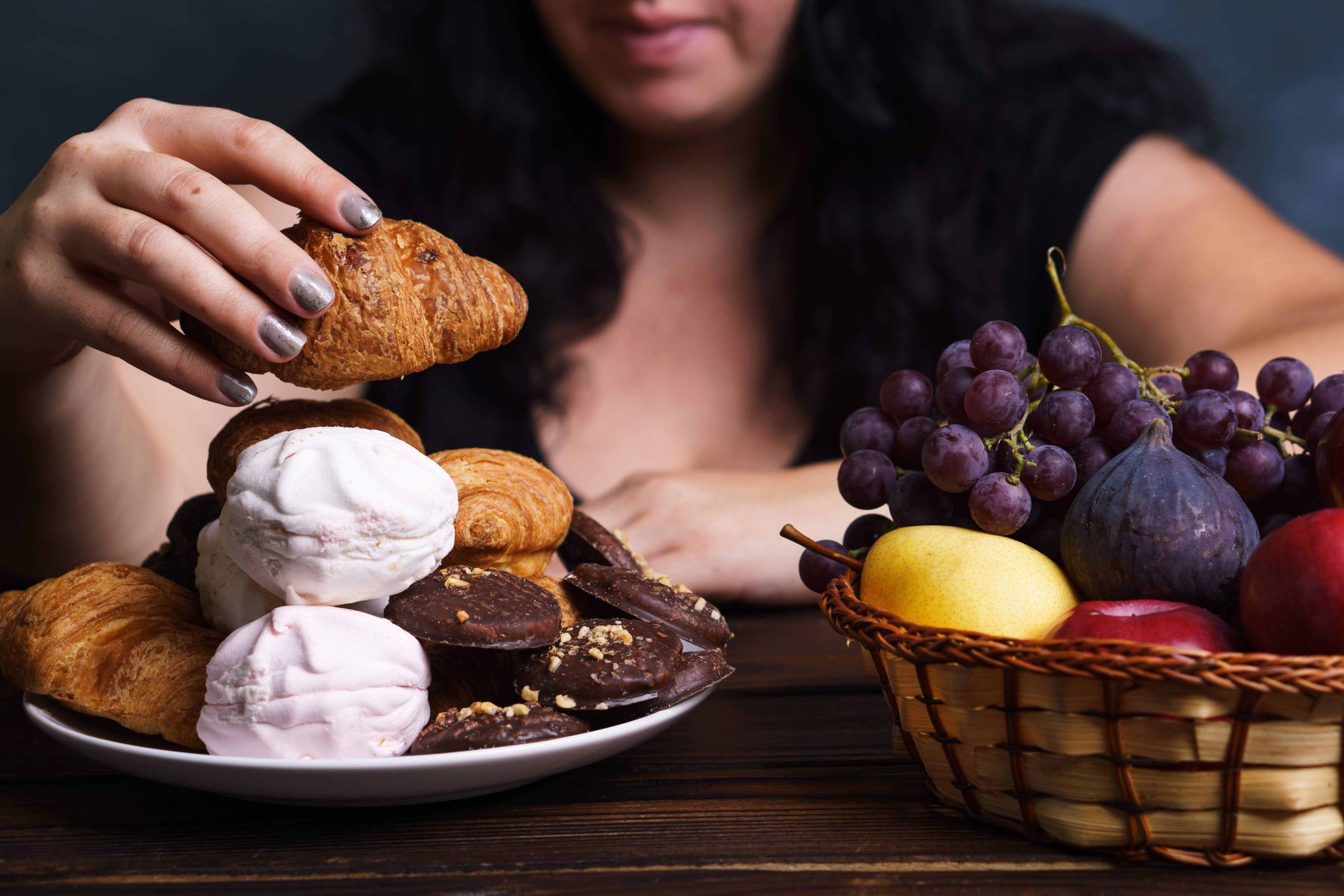
When your serotonin levels drop due to reduced sunlight, your brain desperately seeks ways to boost it. The fastest way? Carbohydrates.
What happens:
- Carbs trigger insulin release
- Insulin helps tryptophan enter your brain
- Tryptophan converts to serotonin
- You temporarily feel better
Result: Your intense winter carb cravings aren't a lack of willpower. Your brain is trying to medicate itself with the only tool readily available—food.
2. The Fatigue-Eating Cycle
SAD makes you exhausted. When you're that tired:
- You don't have the energy to cook healthy meals
- You reach for quick, easy, high-calorie foods
- You eat for energy because you're so depleted
- You use food to stay awake or feel something
- You're too tired to engage in other coping mechanisms
The shame trap: You feel guilty for not "eating better" or cooking, but your brain literally doesn't have the executive function to plan and prepare meals when SAD hits.
3. Emotional Numbing Through Food
SAD causes emotional numbness—that hollow, empty feeling where nothing brings joy. Food becomes one of the few things that provides:
- Sensory stimulation when you feel numb
- Temporary pleasure in a season that feels joyless
- Something to do when you're isolating
- A way to feel something when everything feels gray
4. Night Eating Increases
SAD disrupts your circadian rhythm, often leading to:
- Staying up later (even though you're tired)
- Increased appetite at night
- Binge eating after dark
- Using food to cope with insomnia or anxiety about sleep
Why this happens: Your body's natural eating schedule gets thrown off when your internal clock is disrupted by light changes.
5. Social Isolation Removes Accountability
SAD makes you want to withdraw. When you're isolating:
- You're alone with your thoughts and food
- There's no external structure to eating
- Shame increases (eating alone in secret)
- You lose the support system that helps regulate emotional eating
6. Weight Gain Triggers More Emotional Eating
Most people with SAD gain weight during winter months. This weight gain can trigger:
- Shame and self-criticism
- Body image struggles
- Increased emotional eating to cope with those feelings
- Restriction attempts that backfire
- More depression about your body
The cycle: SAD causes emotional eating → emotional eating causes weight gain → weight gain worsens depression → depression increases emotional eating.

Why Traditional "Solutions" Don't Work for SAD and Emotional Eating
Well-meaning advice often includes:
"Just eat healthier!"
"Go to the gym!"
"Meal prep on Sundays!"
"Cut out sugar and carbs!"
"Think positive!"
Here's why that fails:
❌ You can't willpower your way out of a serotonin deficiency
❌ Restriction makes the carb cravings worse
❌ SAD depletes the executive function needed for meal planning
❌ Exercise feels impossible when you're exhausted
❌ Positive thinking doesn't change brain chemistry
The problem isn't your effort or willpower. The problem is that these "solutions" don't address the root cause: your brain chemistry has changed due to reduced light exposure.
What Actually Helps: Practical Strategies for SAD and Emotional Eating
Here are evidence-based, compassionate strategies that work with your biology, not against it.
1. Light Therapy (The Most Effective Tool)
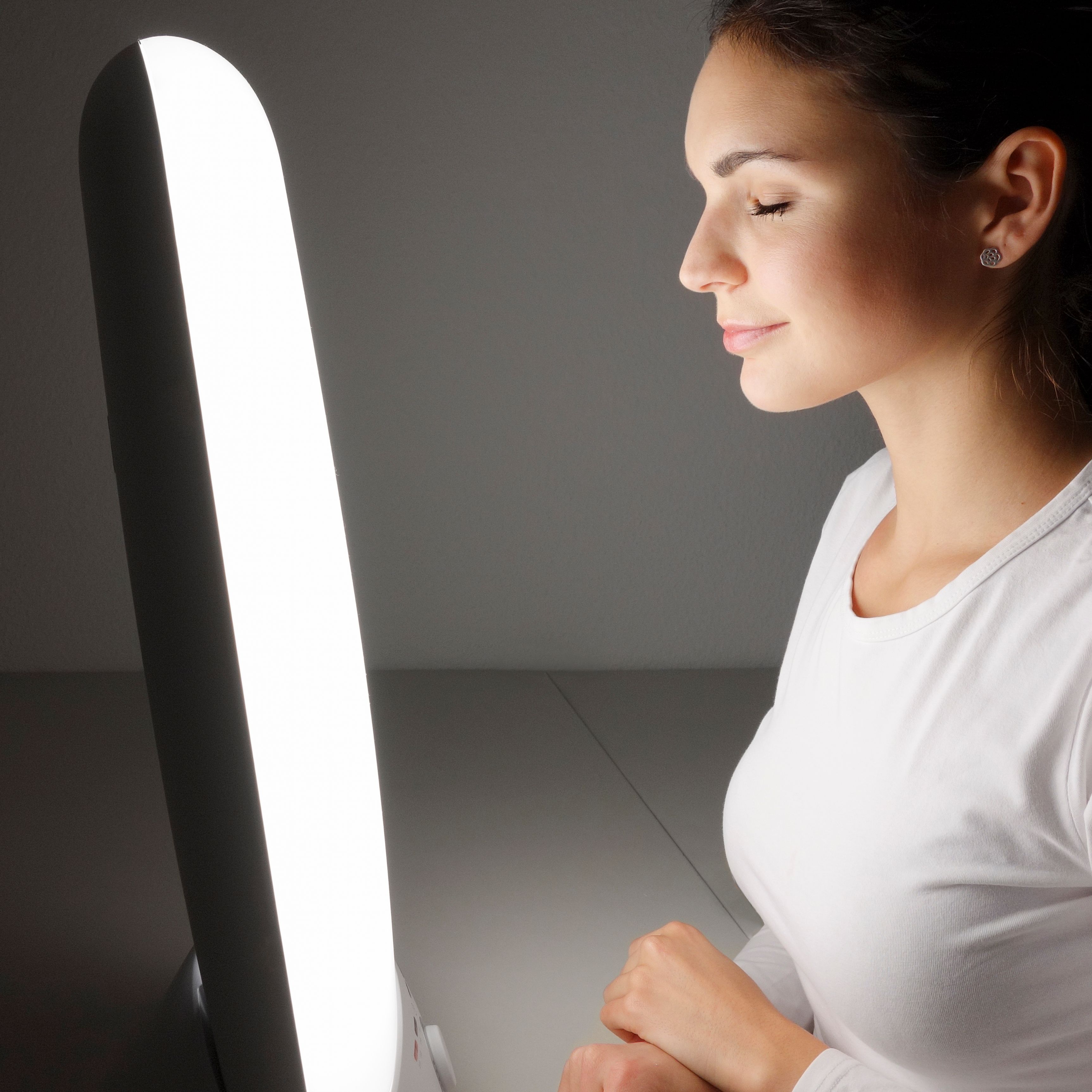
What it is: Exposure to a light therapy box (10,000 lux) for 20-30 minutes each morning.
How it works:
- Mimics natural sunlight
- Triggers serotonin production
- Regulates circadian rhythm
- Reduces carb cravings by addressing the root cause
Practical tips:
Use within the first hour of waking
Sit about 16-24 inches from the light
You don't have to stare at it—read, eat breakfast, work
Most people see improvement within 2-4 weeks
Light therapy boxes cost $30-200 (often covered by insurance with a prescription)
Why this matters for emotional eating: When your serotonin levels normalize, your intense carb cravings decrease naturally—without restriction or willpower.
2. Get Outside During Daylight (Even When It's Hard)
Even on cloudy days, natural outdoor light is brighter than indoor lighting.
Make it realistic:
- 15-20 minutes of outdoor light exposure daily
- Morning is best (helps circadian rhythm)
- You don't have to exercise—just be outside
- Sit on your porch with coffee
- Walk to your mailbox
- Park farther away and walk
- Eat lunch outside (even if it's cold)
Why this helps: Natural light exposure, even brief, supports serotonin production and can reduce emotional eating triggers.
3. Prioritize Vitamin D
Most people are vitamin D deficient in winter, which worsens both SAD and emotional eating.
Action steps:
- Get bloodwork to check your levels
- Supplement with vitamin D3 (typical dose: 1,000-4,000 IU daily, but ask your doctor)
- Eat vitamin D-rich foods: fatty fish, egg yolks, fortified milk, mushrooms
- Consider a vitamin D lamp (different from light therapy boxes)
The connection: Vitamin D deficiency is linked to increased depression and disrupted appetite regulation.
4. Work With Your Carb Cravings (Don't Fight Them)
Your brain needs carbs to produce serotonin. Restriction will backfire.
Instead:
- Choose complex carbs when possible: oatmeal, whole grain bread, sweet potatoes, brown rice
- Pair carbs with protein/fat to stabilize blood sugar: toast with peanut butter, oatmeal with nuts, pasta with chicken
- Permit yourself to eat the foods you're craving—removing guilt reduces emotional eating
- Eat consistently throughout the day (don't skip meals if it will cause you to binge at night)
Why this works: You get the serotonin boost your brain needs while also stabilizing blood sugar and reducing shame.
5. Move Your Body Gently (Not Punishingly)
Exercise helps SAD—but traditional "workout" advice sets you up for failure when you're exhausted.
Realistic movement:
- 10-15 minutes of gentle movement daily beats zero movement
- Morning movement helps the circadian rhythm
- Outside movement = bonus light exposure
Choose what feels good: stretching, walking, dancing, yoga
Some days, just standing and stretching counts
Why it helps: Movement increases serotonin, regulates appetite, and improves sleep—all of which reduce emotional eating.

6. Structure Your Day (Even Minimally)
SAD disrupts your circadian rhythm. Creating structure helps regulate it.
Simple structure:
- Wake up at the same time daily (even weekends)
- Use your light therapy box immediately upon waking
- Eat breakfast within an hour of waking (even something small)
- Get outside light exposure in the morning
- Eat at regular intervals (helps regulate blood sugar and cravings)
- Dim lights 2 hours before bed (signals melatonin production)
- Go to bed at the same time nightly
Why this matters: Consistent routines help reset your internal clock, which regulates hunger, mood, and sleep.
7. Prepare for Your "Can't Function" Days
SAD will have hard days where even basic tasks feel impossible. Plan ahead.
Stock your depression pantry:
- Frozen meals (yes, even "unhealthy" ones)
- Protein bars or shakes
- Pre-cut vegetables with hummus
- Rotisserie chicken
- Canned soup
- Hard-boiled eggs (make ahead)
- Instant oatmeal
- Nuts and dried fruit
Why this helps: Removing barriers to eating means you're more likely to eat something instead of skipping meals (which, for some, worsens cravings and emotional eating later).
8. Adjust Your Expectations (Seriously)
Winter is survival mode. You're not going to:
Meal prep like a fitness influencer
Hit the gym 5 days a week
Eat perfectly balanced meals
Maintain your spring/summer energy
And that's okay.
Realistic winter goals:
- Eat something at regular intervals
- Move your body a little
- Get some light exposure
- Practice basic self-care
- Survive until spring
Why this matters: Unrealistic expectations lead to shame. Shame increases emotional eating. Self-compassion reduces it.
9. Build Non-Food Coping Mechanisms (Gently)
When emotional eating urges hit, having alternatives helps—but only if they're realistic for SAD.
SAD-friendly coping tools:
- Warm bath or shower (sensory comfort without food)
- Weighted blanket (calms nervous system)
- Favorite comfort show (gives your brain something to focus on)
- Texting one supportive person (connection without leaving home)
- 5-minute guided meditation (not a full yoga practice)
- Journaling (processing feelings before eating)
- Warm beverage (herbal tea, hot chocolate—the ritual matters)
Reality check: Some days, you'll still emotionally eat, and that's okay. Progress, not perfection.
10. Consider Professional Support
SAD is clinical depression. Sometimes you need more than self-help strategies.
When to seek help:
- Symptoms severely impact daily functioning
- You have thoughts of self-harm
- Light therapy and lifestyle changes aren't enough
- You've had SAD for multiple years
Professional options:
Therapy: CBT is particularly effective for SAD
Medication: Antidepressants can help (often seasonal use is enough)
Psychiatric evaluation: For comprehensive treatment planning
No shame in medication: If your brain chemistry is off, medication can be life-changing. Just like diabetics need insulin, people with SAD sometimes need serotonin support.
Creating Your SAD Survival Plan
Here's a simple framework to address both SAD and emotional eating:
Morning Routine (Critical for SAD):
- Wake at the same time
- Light therapy box for 20-30 minutes
- Eat something (even if small)
- Take vitamin D supplement
- Get outside for 10-15 minutes if possible
- Wake at the same time
Throughout the Day:
- Eat at regular intervals (don't skip meals)
- Pair carbs with protein/fat
- Get outside during lunch if you can
- Gentle movement (even 10 minutes)
- Eat at regular intervals (don't skip meals)
Evening Routine:
- Dim lights 2 hours before bed
- Prepare something easy for tomorrow's meals
- Warm bath or calming activity
- No screens 30 minutes before bed (blue light disrupts sleep)
- Dim lights 2 hours before bed
When Emotional Eating Urges Hit:
- Pause and name what you're feeling (depressed? Numb? Anxious?)
- Ask: "Am I physically hungry, or is this SAD/emotions?"
- Try one non-food coping tool for 5 minutes
- If you still want to eat, give yourself permission (without guilt)
- Eat with awareness (sit down, use a plate, notice the food)
- Practice self-compassion afterward (no shame spiral)
The Truth About SAD and Emotional Eating
What you need to know:
✅ SAD is real, biological depression—not laziness or weakness
✅ Carb cravings are your brain seeking serotonin—not a moral failing
✅ Weight gain during SAD is normal—and doesn't define your worth
✅ Emotional eating increases with SAD—because your coping resources are depleted
✅ Light therapy is the most effective treatment—more than willpower or diet changes
✅ You don't have to suffer through it—professional help is valid and often necessary
✅ Winter is survival mode—and surviving is enough
The goal isn't to eliminate emotional eating during SAD. The goal is to:
- Address the underlying depression (light therapy, vitamin D, professional help if needed)
- Work with your body's needs (not against them)
- Build realistic coping tools
- Practice self-compassion
- Survive until your brain chemistry stabilizes in spring
You're Not Failing—You're Facing a Medical Condition
If you've been beating yourself up for emotional eating more in winter, struggling with your weight, or feeling like you "should" have more control—please hear this:
SAD changes your brain chemistry. You're not weak. You're dealing with a biological condition that affects serotonin, melatonin, circadian rhythms, and appetite regulation.
The fact that you're here, reading this, trying to understand and find solutions—that's not failure. That's courage.
You deserve support. You deserve treatment. You deserve compassion—especially from yourself.
Struggling with SAD and emotional eating?
Take our free Emotional Eating Assessment to identify your specific triggers and get personalized strategies for managing emotional eating—especially during the darker months.
You don't have to white-knuckle it through winter.
You don't have to wait until spring to feel better.
You don't have to do this alone.
Let's get through this season together.
Resources:
Light therapy boxes: Search for "10,000 lux light therapy lamp" (brands like Aoife, Verilux, Carex, and Northern Light Technologies are popular)
Find a therapist: Psychology Today Therapist Finder
Vitamin D testing: Ask your primary care doctor
SAD support: National Alliance on Mental Illness (NAMI) has free resources and support groups