How Music Signals Safety to Your Nervous System — What Science Shows
Can Soothing Music Calm Your Nervous System? Here's What Science Says
A gentle tool for your healing journey

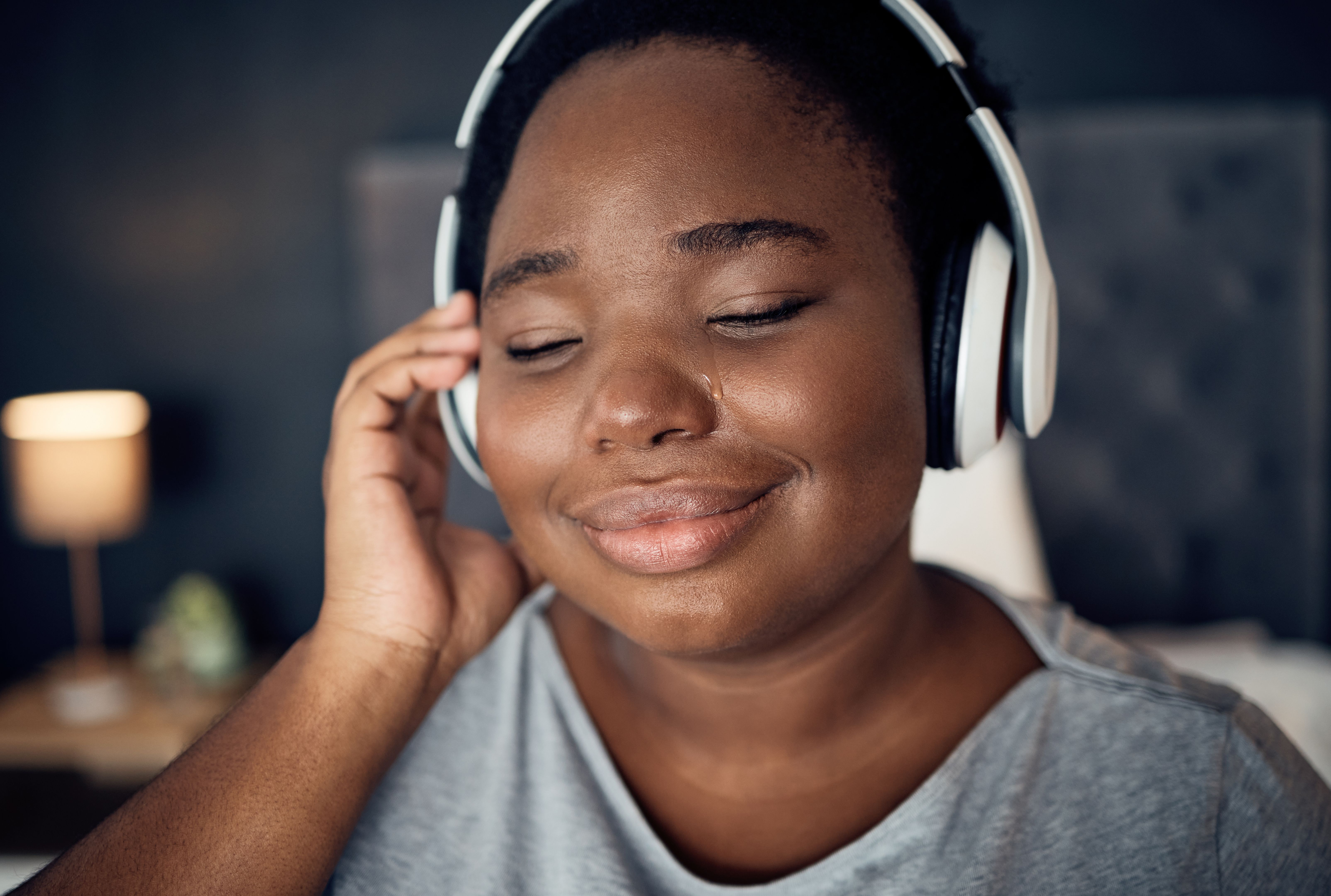
If you've ever felt your shoulders drop and your breathing deepen when your favorite song comes on, you've experienced something powerful: music's ability to communicate directly with your nervous system.
For those of us healing from emotional eating, trauma, or chronic stress, our nervous systems have been working overtime—constantly on alert, bracing for the next wave of overwhelm. We've learned to soothe ourselves with food, to push through discomfort, to ignore what our bodies are trying to tell us. But what if there was a gentler way to signal safety to your body?
The answer might be as simple as pressing play.

The Science of Sound and Safety
Research confirms what many of us have felt intuitively: soothing music doesn't just distract us from stress—it actually changes what's happening inside our bodies.
Here's how:
Music Activates Your "Rest and Digest" Response
When you listen to calming music, you're engaging your parasympathetic nervous system—the part of your body responsible for relaxation and restoration. This is the opposite of the "fight or flight" response that keeps you on edge.
Practically speaking, this means:
- Your heart rate naturally slows down
- Muscle tension begins to release (yes, even those tight shoulders)
- Your body gets the message: You're safe. You can rest now.
For women who've spent years in survival mode, this signal of safety is profound. It's permission to let your guard down, even just for a few minutes.
Calming Music Lowers Cortisol Levels
Cortisol—often called the stress hormone—has a complicated relationship with emotional eating. When cortisol levels stay elevated due to chronic stress, our bodies crave quick energy (usually in the form of sugar or processed foods) and hold onto weight, especially around the midsection.
Listening to soothing music can actually reduce cortisol levels in your bloodstream, helping you:
- Feel more centered and grounded
- Break the stress-eating cycle before it starts
- Give your body the calm it's been craving (without reaching for food)
This isn't about willpower or restriction. It's about addressing the root cause: a nervous system that needs soothing.
Music Regulates Your Heart Rate and Breathing
Have you ever noticed how your breathing changes when you're anxious? It becomes shallow, rapid, and stuck in your chest. Music has the remarkable ability to entrain—or synchronize—your breathing and heart rate to its rhythm.
When you listen to music with a slower tempo (around 60-80 beats per minute), your body begins to match that pace:
- Your breathing deepens and slows
- Your heart rate becomes more steady
- Anxiety signals begin to quiet
This is why creating a calming playlist for moments of overwhelm can be such a powerful tool. You're literally teaching your body a new rhythm.
Music Helps You Process Difficult Emotions
The amygdala—your brain's emotional processing center—lights up when you listen to music. This isn't a bad thing. In fact, it's healing.
For women who've used food to numb uncomfortable feelings, music offers an alternative pathway. It allows you to:
- Feel your emotions without being consumed by them
- Process grief, anger, or sadness in a contained way
- Experience catharsis without reaching for emotional eating patterns
Music gives your feelings somewhere to go that isn't your body through restriction or bingeing.

Making Music Part of Your Wellness Practice
Here are some gentle ways to incorporate soothing music into your healing routine:
- Create Intentional Playlists
- Morning calm: Soft instrumentals or nature sounds to ease into your day
- Midday reset: 5-10 minutes of peaceful music when stress starts building
- Evening wind-down: Calming melodies to signal your body it's time to rest
- Emotional release: Songs that help you cry, feel, and move through difficult moments
Pair Music with Other Practices
- Play soothing music during gentle movement or stretching
- Use it as background for journaling or mindfulness
- Let it accompany meal preparation (bringing calm to a potentially triggering activity)
- Create a bedtime ritual with consistent calming sounds
Notice What Resonates Not all "relaxing" music will feel relaxing to you, and that's okay. Your nervous system has its own preferences. Pay attention to:
- Which sounds make you feel genuinely peaceful vs. agitated
- Whether you prefer instrumentals or vocals
- If nature sounds (rain, ocean waves, forest ambience) resonate more than music
- How different genres affect your mood and energy
Use Music as an Anchor. When you feel the urge to eat emotionally, try this:
- Pause and acknowledge the feeling without judgment
- Put on a calming song or playlist
- Permit yourself to just listen for 3-5 minutes
- Notice what you feel in your body
- Then decide what you truly need
Sometimes you'll still eat, and that's okay. But you're giving yourself options—and over time, that changes everything.
A Note on Healing
If you're reading this because you're exhausted from battling your body, trying to shrink yourself, or controlling every bite of food, please hear this: You don't need to earn rest. You don't need to hit a certain weight to deserve soothing. Your nervous system needs care right now, exactly as you are.
Soothing music is one small, accessible tool in your wellness toolkit. It won't fix everything—healing is layered and takes time. But it can offer you moments of genuine peace. And those moments matter.
Your body has been waiting to feel safe. Music can help you send that message.
Ready to Explore More Holistic Wellness Tools?
This is just one of the five pillars of wellness we explore at Glow & Flow Holistics. Whether you're healing from emotional eating, learning to trust your body again, or simply seeking more peace in your daily life, we're here to support your journey with trauma-informed, anti-diet approaches that honor your whole self.
What music soothes your nervous system? Try one of these calming videos:
Disclaimer: This blog post is for educational purposes only and is not a substitute for professional medical or mental health advice. If you're experiencing severe anxiety, trauma symptoms, or mental health concerns, please reach out to a qualified healthcare provider.